Choosing reliable Vape Batteries suppliers requires more than comparing prices or browsing polished websites. Global buyers need evidence of cell quality, production consistency, traceability, and responsible business practices. This introduction examines ten suppliers that serve international hardware manufacturers, distributors, and compliant retailers. The comparison considers battery chemistry, capacity accuracy, protection features, quality-control systems, certifications, minimum order quantities, and after-sales support.
Battery safety specialist Isidor Buchmann, founder of Cadex Electronics and Battery University, states, “Safety is not a feature; it is a requirement.” His point remains essential for every purchasing decision. A dependable supplier should explain testing procedures, provide clear technical documentation, and support compliant transport and storage. Buyers should also verify certification records independently, rather than trusting every logo shown on a product page.
Details matter.
A strong supplier can identify production batches, disclose relevant cell specifications, and respond clearly when defects appear. Some companies may offer impressive pricing but limited documentation. Others may have excellent engineering but weak communication or slow export support. No ranking is flawless. Supplier performance can change with new factories, changing regulations, or material shortages. That limitation deserves attention.
This guide therefore avoids treating popularity as proof of reliability. It focuses on practical purchasing evidence and transparent comparisons. The selected companies represent different strengths, including large-scale manufacturing, customization, international logistics, and technical service. Buyers must still complete their own due diligence before placing orders. Battery selection should always follow applicable safety standards and the requirements of the final device.
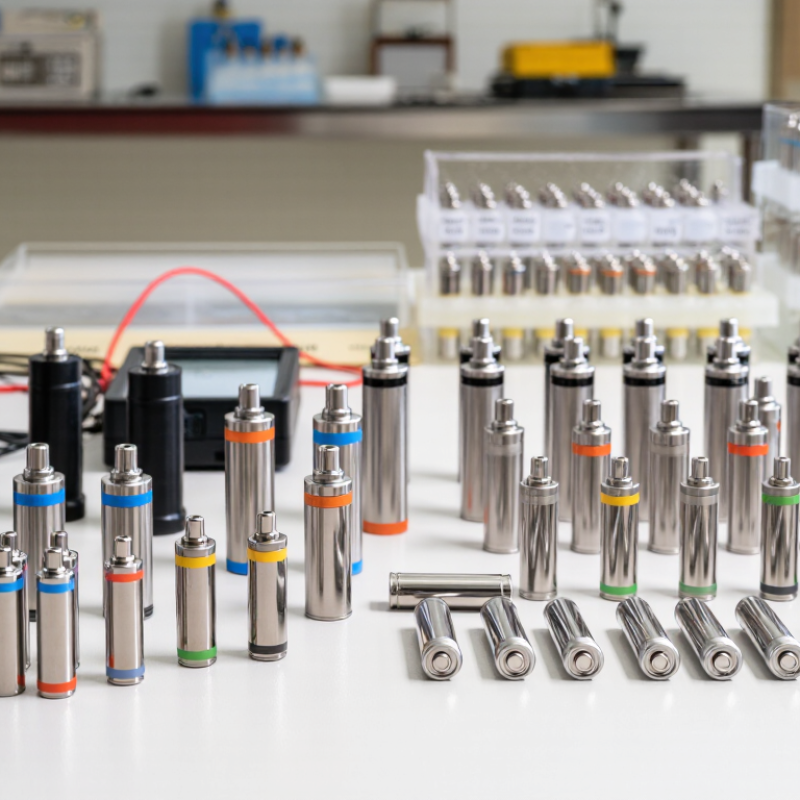
A reliable vape battery supplier offers more than competitive pricing. The supplier should provide clear cell specifications, capacity data, discharge limits, and protection details. Factory records should support every batch, from incoming materials to final inspection. Look for documented testing under applicable safety and transport standards. These may include UN 38.3 and IEC 62133 requirements. A serious supplier also explains where testing occurs. Vague certificates deserve careful questioning.
Practical sourcing experience shows that consistency matters more than a perfect sample. Ask for several production samples, not one carefully selected unit. Compare voltage readings, charging behavior, outer wrapping, connector alignment, and heat during controlled testing. The supplier should welcome independent inspections and provide traceable lot numbers. Good communication matters too. Delayed answers can become delayed corrective action. No factory is flawless. However, reliable teams admit defects, investigate causes, and update procedures. This is where many buyers need to reflect. A low price may hide weak quality control.
Tips: Request a recent test report and verify its scope. Confirm minimum order quantities, warranty terms, and replacement procedures in writing. Ask whether cells are matched before assembly. Inspect packaging for crush protection and clear handling labels. Keep records of samples, approvals, and batch numbers. Never rely on photos alone. A short video call with the quality manager can reveal more than a polished catalog. Require safe packaging and documented shipping practices for the destination market.
Evaluating China’s top 10 vape battery suppliers requires more than comparing catalog prices. Buyers should examine production experience, cell consistency, and documented quality controls. A reliable supplier can explain where cells are sourced, how packs are assembled, and how each batch is traced. Ask for recent test reports, not recycled PDF files. Small details matter: lot numbers, sealed packaging, terminal protection, and clear storage guidance. During factory audits, unclear labels often signal weak process discipline. That is not proof, but it deserves attention.
Professional evaluation also covers independent testing and transport readiness. Check capacity, cycle performance, temperature behavior, and protection design through recognized laboratories. Certificates should match the exact model and revision. A familiar certificate name is not enough. Suppliers should provide safety data, inspection records, and controlled-change procedures. When a component changes, buyers need notice before shipment. Some suppliers respond quickly, yet their records remain incomplete. Reliability grows from evidence over time, not confident sales language.
A practical scorecard can assign weight to safety, consistency, compliance, delivery history, and after-sales communication. Auditors should compare factory records with random samples from recent batches. Ask how rejected cells are isolated. Ask who approves final release. The strongest candidates usually answer with dated records and clear responsibilities. Still, no evaluation is perfect. Sample sizes may be small, and factory conditions can change after an audit. Buyers should review regional requirements independently and schedule periodic checks instead of trusting one successful order.
China’s vape battery supply base includes specialized manufacturers, cell assemblers, and custom power-system factories. This buyer-focused shortlist examines ten supplier profiles through production control, documentation, and communication quality.
A Shenzhen high-volume assembler suits standard cylindrical cells and repeat orders. A Dongguan custom-pack factory focuses on compact pouch batteries with tailored connectors. A Suzhou supplier emphasizes automated welding and consistent tab placement. A Ningbo exporter offers practical packaging support for international shipments. A Huizhou producer handles small trial batches, which helps new device developers test safely. A Guangzhou engineering team develops protected battery packs for controlled power output. Its technical reports deserve careful review.
A Jiangsu manufacturer serves buyers needing strong traceability from cell receipt to final inspection. A Zhejiang supplier combines battery assembly with charger compatibility testing. A Fujian factory focuses on moisture-resistant packaging and warehouse handling. A Tianjin industrial supplier may appeal to buyers seeking structured quality systems and larger production capacity. These profiles are not equal in every category. A low unit price can hide weak testing or unstable lead times.
Experienced buyers should request recent capacity records, safety data, batch numbers, and transport documents. UN 38.3 test evidence is important for international battery shipments. Confirm protection settings, cycle performance, temperature testing, and defect handling in writing. Factory visits can reveal more than polished certificates. Some suppliers communicate well before payment, then respond slowly after production begins. That detail matters. Personal evaluation remains necessary.
When comparing China’s top 10 vape battery suppliers, quality should come before catalog price. Ask for cell chemistry, rated capacity, cycle-life results, discharge curves, and internal-resistance data. A reliable supplier should provide traceable batch numbers and test records from an accredited laboratory. IEC 62133-2 and UN 38.3 documents are important for lithium battery safety and transport. UL 1642 may also apply to individual cells, depending on the destination market and product design. Certificates must match the exact model, not a similar sample.
Pricing needs a wider view. BloombergNEF reported an average lithium-ion battery pack price of 115 US dollars per kWh in 2024, down 20% year over year. This benchmark does not equal the final cost of small consumer cells. MOQ, protection circuits, packaging, testing, freight, warranty terms, and defect rates can change the quotation sharply. Compare landed cost per usable unit. A cheap battery with unstable capacity can become expensive after returns. That lesson is easy to overlook.
Tips: Request three production samples, not one. Test capacity at the promised current. Check voltage consistency after storage. Review the laboratory name, report date, model number, and test standard. ISO 9001 supports process control, but it does not prove battery safety. Also confirm RoHS and REACH evidence where required. Some supplier claims may sound complete, yet the paperwork can contain gaps. Reflection matters.
A practical comparison framework for evaluating anonymous supplier candidates by battery quality, pricing, safety certifications, production capability, and export readiness. The scores are weighted buyer-evaluation benchmarks rather than company-specific claims.
Quality and safety should receive the highest priority. Buyers should verify UN 38.3 transport testing, IEC 62133-2 or equivalent safety testing, RoHS compliance, batch-level test reports, capacity consistency, internal resistance, cycle-life data, MOQ, lead time, and warranty terms before selecting a supplier.
For global buyers, choosing a vape battery supplier should begin with evidence, not a polished catalog. In my experience, product photos rarely reveal cell quality, protection design, or production discipline. Ask for technical datasheets, batch records, safety test reports, and clear shipping specifications. Confirm voltage, capacity, discharge limits, dimensions, connector options, and expected cycle life. A reliable supplier should explain these details without avoiding difficult questions. That matters.
Request samples from the same production line used for larger orders. Test charging behavior, heat generation, fit, packaging, and consistency across several units. Review factory capacity, quality-control checkpoints, traceability systems, and worker safety practices through documented audits or a qualified third-party inspection. Check whether the supplier understands destination-market rules for batteries, labeling, transport, recycling, and age-restricted product requirements. Compliance is not a decorative certificate. It must match the exact model and shipment.
Tips: Compare at least three written quotations, but do not choose the lowest price automatically. Clarify minimum order quantities, lead times, payment stages, warranty handling, replacement procedures, and Incoterms. Put every agreed specification into the purchase contract. Ask how defective batches are contained and reported. A small pilot order is safer than a large promise. Still, testing one sample cannot prove long-term reliability. Recheck performance after storage and repeated charging. Keep inspection records.
Please fill in as much details as possible and we will take care of your request as soon as possible