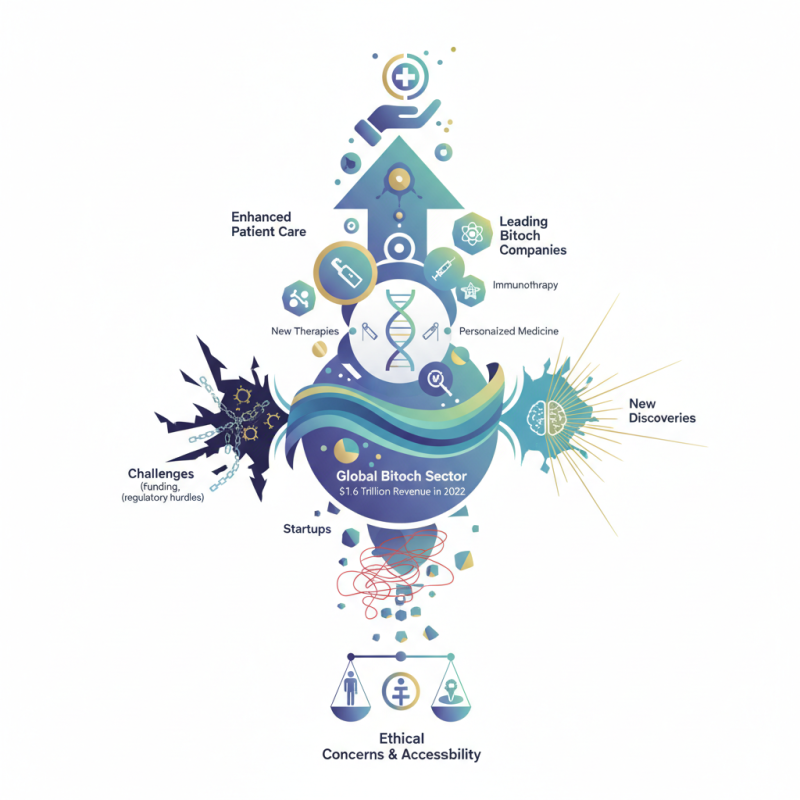
The biotech industry is undergoing a significant transformation. Biotech companies play a crucial role in this evolution. According to the latest report by the Biotechnology Innovation Organization, the global biotech sector has generated $1.6 trillion in revenue in 2022. This growth reflects the increasing demand for innovative healthcare solutions. The pandemic underscored the importance of rapid biotech advancements.
Several leading biotech companies are pioneering new therapies and technologies. They are enhancing patient care and treatment outcomes. For instance, CRISPR technology has progressed significantly, offering new hope for genetic disorders. However, the landscape is not without challenges. Many startups struggle to secure funding and navigate regulatory hurdles. These obstacles often impede their groundbreaking work.
Despite these issues, biotech companies continue to push boundaries. With new discoveries in areas like personalized medicine and immunotherapy, the future looks promising. But it’s essential to approach this rapid growth with caution. As the industry evolves, stakeholders must address ethical concerns and accessibility for all patients. Only then can the full potential of biotech be realized.
Emerging biotech innovations are reshaping patient care in transformative ways. According to a recent report by Global Market Insights, the biotech industry is expected to grow at a compound annual growth rate (CAGR) of 7% over the next five years. This growth reflects a surging demand for advanced therapies and diagnostic tools that improve patient outcomes.
Recent advancements, such as CRISPR gene editing and personalized medicine, are notable examples. CRISPR has revolutionized genetic research, offering the potential for curing genetic disorders. Personalized medicine tailors treatments based on individual genetic profiles, significantly increasing the efficacy of therapies. A study published in the Journal of Personalized Medicine noted that tailored therapies can improve treatment response rates by up to 50%.
**Tips:** Stay informed about new biotech trends. Engage with data-driven discussions in healthcare forums. Cross-reference research findings to assess credibility.
While the advancements are promising, there are still challenges. Ethical concerns surrounding gene editing persist. Ensuring equitable access to these innovations remains crucial. A report from the World Health Organization highlights that only 34% of low-income nations benefit from new biotech therapies, underlining the need for sustainable approaches.
**Tips:** Advocate for policies supporting fair access to innovations. Collaborate with local firms to promote biotechnology education. Regularly review industry reports for updates on emerging trends.
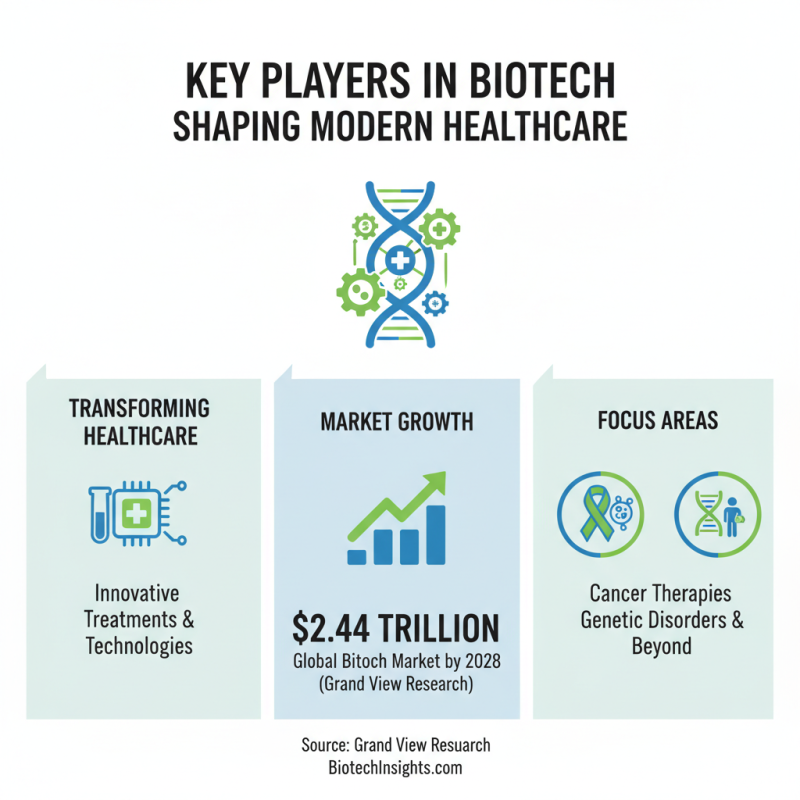
The biotech sector is transforming healthcare with innovative treatments and technologies. According to a report by Grand View Research, the global biotechnology market is projected to reach $2.44 trillion by 2028. This rapid growth underscores the importance of key players in the industry. These companies focus on developing therapies for serious diseases, including cancer and genetic disorders.
A notable trend is the shift toward personalized medicine. Advances in genomics now allow for tailored therapies that improve patient outcomes. Furthermore, the rise of biologics in treatment options is significant. It’s reported that biologics are expected to account for 50% of all new drugs approved by 2025. Such statistics reflect a dynamic industry landscape where innovation is vital.
Tips: Stay informed about emerging biotech trends. Follow reputable journals and industry reports to track advancements. Networking with professionals in the field can also provide insights and opportunities. Make a habit of examining new data to reflect on ongoing changes in treatment modalities. The continuous evolution in biotech calls for a willingness to adapt to new information.
Biotech companies are reshaping healthcare through innovative therapies. According to a recent report by the IQVIA Institute for Human Data Science, biotech contributions to drug development have tripled in the past decade. These firms are pioneering treatments that were once considered impossible. Their focus has shifted towards personalized medicine, targeting specific patient needs based on genetic profiles.
Gene editing and immunotherapy are two key areas revolutionizing treatment options. CRISPR technology, for instance, allows for precise modifications in the genome, offering hope for genetic disorders. Meanwhile, the market for CAR-T cell therapies was valued at over $2 billion in 2021. This suggests strong investor confidence in the ability of biotech to deliver effective solutions.
However, challenges remain. High development costs often lead to limited accessibility. Additionally, regulatory hurdles can delay the introduction of new therapies. Biotech companies must navigate these complexities while ensuring that their innovations reach diverse patient populations. The path to transforming healthcare is filled with obstacles that test the resilience of the industry's trailblazers.
| Rank | Therapy Area | Innovation Type | Stage of Development | Impact on Patient Outcomes |
|---|---|---|---|---|
| 1 | Cancer | Gene Therapy | Commercialized | High |
| 2 | Diabetes | Monoclonal Antibodies | Clinical Trials | Moderate |
| 3 | Neurological Disorders | Cell Therapy | Preclinical | Potentially High |
| 4 | Cardiovascular | RNA Therapy | Commercialized | Significant |
| 5 | Infectious Diseases | Vaccine Development | Phase 3 Trials | High |
| 6 | Autoimmune Diseases | Biologics | Commercialized | Moderate |
| 7 | Rare Diseases | Small Molecules | Clinical Trials | High |
| 8 | Hormonal Disorders | Therapeutic Antibodies | Approved | Low to Moderate |
| 9 | Chronic Pain | Pain Management Solutions | Research Stage | Potential |
| 10 | Gastrointestinal Disorders | Nutritional Therapies | Clinical Trials | Moderate |
Strategic collaborations in the biotech sector are reshaping healthcare. These partnerships often lead to groundbreaking discoveries in drug development and medical technology. Recent reports indicate that over 60% of biotech companies engage in strategic partnerships. This collaboration increases access to advanced research tools and more expertise.
Collaborations help companies pool resources, share risks, and drive innovation. A study found that joint ventures in biotech can reduce development costs by 30%. Furthermore, nearly 40% of successful drug approvals in 2022 resulted from collaborative research efforts. Such statistics highlight the vital role of partnerships in enhancing research outcomes.
Despite these advancements, challenges persist. Sometimes, aligning goals between partners can be difficult. Communication barriers may lead to misunderstandings. As the industry evolves, it is essential for companies to navigate these complexities effectively. Looking forward, fostering transparency in collaborations can significantly amplify the success of future biotech innovations.
This chart illustrates the research outcomes influenced by strategic collaborations in the biotech industry. Each bar represents the significant impact of partnerships on healthcare innovations, showcasing the growing importance of collaboration in achieving research milestones.
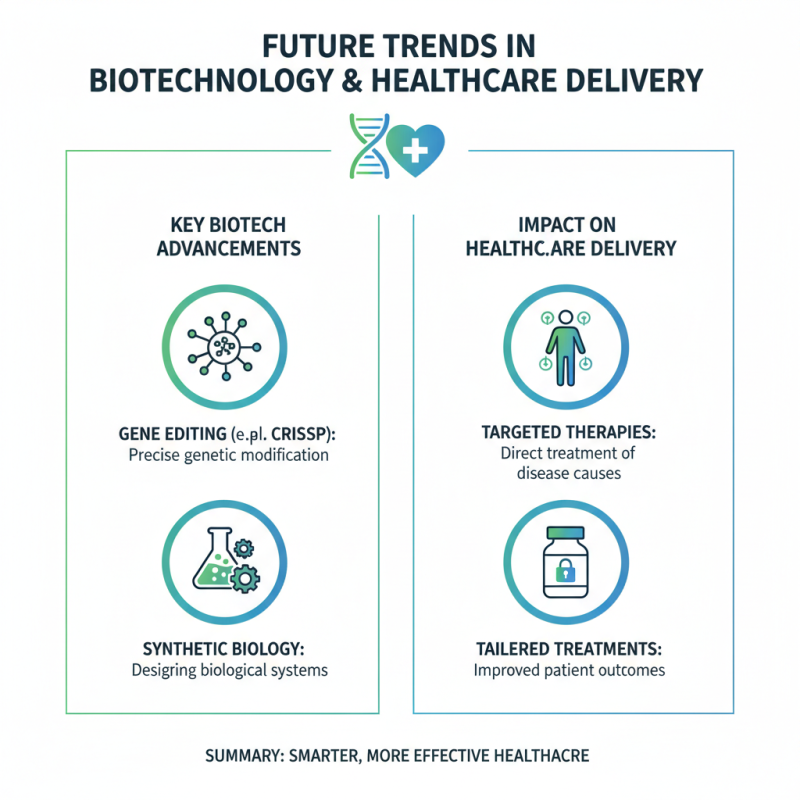
The field of biotechnology is experiencing rapid advancements, reshaping healthcare as we know it. Innovations in gene editing and synthetic biology hold the promise of treating diseases more effectively. These technologies enable precise modifications at the genetic level, paving the way for targeted therapies. As a result, patient outcomes could improve significantly with tailored treatments.
Tips: Stay updated on breakthroughs. Follow reputable scientific journals and organizations. Engaging with the latest research can enhance your understanding of biotech trends.
Artificial intelligence is another critical aspect. It enhances drug discovery and patient data analysis. As AI systems learn from vast datasets, they can predict responses to treatments effectively. However, ethical considerations must not be overlooked. Balancing innovation with patient privacy is vital for public trust.
Tips: Seek out interdisciplinary insights. Collaborate with healthcare professionals and data scientists for a broader perspective. Different viewpoints can spark innovative ideas.
The future of healthcare delivery hinges on these technological advancements. Integrating these innovations can result in more personalized and efficient care. However, continual reflection on ethical practices and data security will be essential as we navigate this evolving landscape.
Please fill in as much details as possible and we will take care of your request as soon as possible