China Top 10 Ginseng Extract Suppliers?

China remains a major sourcing base for botanical ingredients, including Ginseng Extract. Its supply network spans Jilin farms, standardized extraction plants, contract manufacturers, and export distributors. Grand View Research reported that the global ginseng market reached approximately USD 2.1 billion in 2023. Its forecast also suggests continued growth through 2030. IMARC Group reports a different market estimate, showing why definitions and data sources matter.

The “China Top 10 Ginseng Extract Suppliers” list should therefore be read as a practical sourcing guide, not an official ranking. Supplier quality can vary significantly. Some companies specialize in red ginseng powder, while others provide concentrated extracts with defined ginsenoside levels. A reliable comparison should examine GMP certification, extraction methods, batch consistency, pesticide screening, heavy-metal testing, and Certificates of Analysis. USP and ISO guidance can support laboratory evaluation, but certification claims still require verification.

Small details often reveal operational maturity. Can the supplier provide a recent COA, a clear botanical name, and the extraction ratio? Does the sample match the commercial batch? These questions matter more than polished websites. No supplier is flawless. Even established manufacturers may face seasonal raw-material changes or delayed documentation. Buyers should request samples, audit production records, and confirm regulatory requirements before signing contracts. This introduction highlights ten Chinese suppliers using publicly available information, technical evidence, and practical purchasing criteria. The selection may need updating as capacities, certifications, and export markets change. That limitation deserves attention.
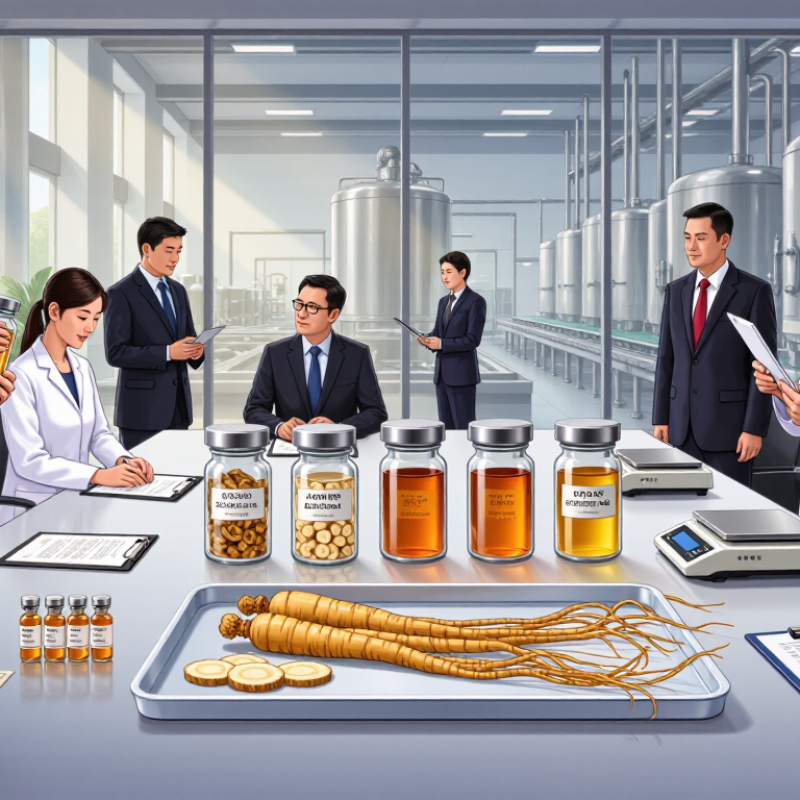
China Top 10 Ginseng Extract Suppliers?

What Is Ginseng Extract and Why Is China a Major Supplier?

Ginseng extract is a concentrated ingredient made from ginseng roots. Manufacturers usually clean, dry, mill, and extract the roots with water or food-grade solvents. The final powder or liquid contains measured compounds, often called ginsenosides. Its color may range from pale beige to deep brown, depending on the root and process.

China is a major supplier because it has extensive ginseng cultivation, established herbal-processing experience, and large production capacity. Jilin and nearby northeastern areas provide suitable soil and climate for cultivated ginseng. Local factories can handle washing, extraction, spray drying, blending, and packaging within one supply chain. This can reduce transport time and support flexible order volumes.

A reliable supplier should provide botanical identification, batch records, contaminant testing, and a clear ginsenoside specification. Ask for recent laboratory reports, not only a product brochure. Check moisture, microbial limits, heavy metals, pesticides, and solvent residues. Small details matter. A darker powder does not always mean higher quality. Nor does a higher test value guarantee better performance in every formula. Supplier audits, sample comparisons, and traceable farm information remain important. No supplier is perfect. Even careful buyers may overlook seasonal variation, storage humidity, or differences between extraction batches. Regular testing helps reveal those problems before production.

China Top 10 Ginseng Extract Suppliers? What Is Ginseng Extract and Why Is China a Major Supplier?

Representative total ginsenoside standardization levels commonly found in commercial ginseng extracts

Ginseng extract is produced by concentrating bioactive compounds from the roots of Panax species, especially ginsenosides, polysaccharides and other phytochemicals. Commercial extracts are often standardized by total ginsenoside content. The values shown are representative specification levels used in the market rather than data from any individual company. China is a major supplier because it has large-scale Panax ginseng cultivation, established extraction and drying infrastructure, and extensive experience in botanical ingredient processing.

How to Evaluate China’s Top Ginseng Extract Suppliers

China Top 10 Ginseng Extract Suppliers?

Choosing a reliable ginseng extract supplier requires more than comparing prices. Start by checking the supplier’s manufacturing experience, production capacity, and quality management system. Ask for a current certificate of analysis for every batch, not only a general product sheet. The report should identify ginseng species, extract ratio, moisture, microbial limits, heavy metals, and ginsenoside levels. Clear testing methods matter. Vague documents deserve careful questions.

Tips: Request a small sample before signing a large contract. Compare its color, aroma, solubility, and laboratory results. Visit the facility when possible, or arrange a live video audit. Check raw-material traceability, storage conditions, cleaning records, and calibration practices. Reliable suppliers explain problems directly. Perfect claims can be less convincing than transparent limitations.

Evaluate consistency across several batches. One strong sample proves very little. Ask how the supplier controls seasonal differences, drying temperatures, and extraction conditions.

Confirm packaging details, shelf-life evidence, and transportation protection. Communication is also practical evidence of professionalism. Slow replies may create costly delays later.

However, a polished website does not prove technical competence. I have seen attractive product descriptions hide incomplete specifications. That mistake is easy to make. Keep written records of all testing, agreed standards, and corrective actions. Independent laboratory verification adds confidence before commercial use.

China’s Top 10 Ginseng Extract Suppliers and Their Key Features

China’s Top 10 Ginseng Extract Suppliers and Their Key Features

China’s leading ginseng extract suppliers differ in sourcing, processing, and quality control. Northeast China suppliers often work near cultivated ginseng farms, shortening transport time and improving traceability. Some specialize in concentrated liquid extracts, while others produce spray-dried powders for capsules, beverages, and functional foods. Their facilities may offer low-temperature extraction, controlled drying, and standardized ginsenoside content.

The strongest suppliers provide batch-specific certificates of analysis, including moisture, microbial counts, heavy metals, and pesticide residues. Reliable teams also explain extraction ratios and identify major compounds such as Rb1, Rg1, and Re. Several top suppliers maintain documented farm records, third-party testing, and export experience. GMP-aligned production is valuable, but buyers should verify current certificates rather than trust website claims. Ask for samples.

Other important differences include minimum order quantities, private-label support, packaging options, and technical communication. Some suppliers respond quickly but provide weak stability data. Others offer detailed reports but require larger orders. That trade-off matters. A careful buyer should compare three pilot batches before signing a long-term contract. No supplier is perfect. Even a well-equipped factory can face seasonal raw-material variation, inconsistent color, or delayed documentation. Clear specifications and independent testing reduce these risks.

Ginseng Extract Product Types, Standards, and Applications

Ginseng extract suppliers usually offer several product forms, and each serves a different manufacturing need. Whole-root powder keeps the plant’s natural profile but may vary between harvests. Water extracts dissolve easily in beverages and teas. Ethanol-water extracts often provide a broader range of ginsenosides. Standardized extracts are more suitable when every batch must meet a defined marker level.

A reliable specification should identify the plant species, plant part, extraction solvent, and extraction ratio. It should also state total ginsenosides and, when relevant, individual compounds such as Rg1, Rb1, and Rg3. Testing should use validated methods, commonly HPLC. A complete certificate of analysis should cover identity, microbial limits, heavy metals, pesticides, residual solvents, and moisture. GMP production, batch traceability, and stable storage records add practical confidence. Labels alone are not enough.

Applications include capsules, powdered drink mixes, functional foods, personal-care formulas, and laboratory research. In beverage production, color, bitterness, sediment, and solubility can matter more than a high assay number. In cosmetics, suppliers should provide safety and compatibility data for the finished formula. During supplier evaluations, requesting retention samples and comparing three batches can reveal consistency problems. A polished certificate is not proof of perfect quality. I have seen specifications omit important details, especially extraction ratios. Buyers should question unclear claims, review updated documents, and confirm that the material fits the destination market’s requirements.

China Top 10 Ginseng Extract Suppliers? - Ginseng Extract Product Types, Standards, and Applications

No. Ginseng Extract Product Type Botanical Source and Plant Part Typical Specification Common Quality Standards and Tests Main Applications Recommended Supplier Documentation
1 Standard Ginseng Root Extract Panax ginseng C.A. Meyer; dried root Brown to yellow-brown powder; standardized by total ginsenosides, often 5%–80% depending on the product grade Botanical identification; ginsenoside HPLC fingerprint; moisture; ash; microbial limits; heavy metals; pesticide residues Dietary supplements, capsules, tablets, functional beverages, powdered nutrition products Certificate of Analysis, botanical identity test, batch traceability, allergen statement, safety test results
2 Red Ginseng Extract Steamed and dried Panax ginseng root Concentrated powder or liquid extract; may contain transformed ginsenosides produced during steaming Processing records; ginsenoside profile including Rg1, Rb1 and Rg3 where specified; moisture; microbial and contaminant testing Traditional herbal products, beverage sachets, tonic drinks, wellness formulations Raw-material origin, steaming conditions, extraction ratio, stability data and finished-batch testing
3 Ginsenoside-Enriched Extract Panax ginseng root extract; purified fraction High-potency powder with a declared total ginsenoside level; exact potency varies by manufacturing process HPLC or UPLC assay; identity and purity profile; residual solvents; elemental impurities; microbial limits Premium supplements, clinical nutrition products, specialized functional foods Validated analytical method, reference standards, impurity profile, residual-solvent report and stability results
4 Water-Soluble Ginseng Extract Panax ginseng root; water-extracted or reformulated powder Fast-dispersing powder or liquid concentrate; solubility and clarity depend on carrier and concentration Solubility or dispersibility; pH where applicable; ginsenoside assay; microbiological quality; stability and packaging compatibility Ready-to-drink beverages, instant powders, sports and wellness drinks Solubility specification, formulation support, shelf-life data, food-safety certification and packaging information
5 Ginseng Polysaccharide Extract Panax ginseng root; polysaccharide-rich fraction Light-colored powder; characterized by total polysaccharide content rather than only ginsenoside content Total polysaccharide assay; botanical identification; protein and ash where required; microbial and heavy-metal testing Functional foods, nutrition powders, beverage blends and research formulations Assay method description, raw-material specification, batch consistency data and contaminant testing
6 Ginseng Saponin Extract Panax ginseng root; saponin-rich extract Powder or concentrated liquid; specification normally states total saponins or selected ginsenosides Total saponin method; HPLC confirmation of key ginsenosides; moisture; ash; microbial and pesticide testing Herbal formulations, supplement premixes and ingredient research Clear definition of the assay method, calibration standards, extraction ratio and product specification sheet
7 Organic-Positioned Ginseng Extract Certified-organic Panax ginseng root, where applicable Conventional extract format with organic production and handling requirements Valid organic certificate for the target market; pesticide-residue testing; botanical identity; microbial and heavy-metal testing Organic supplements, clean-label foods and natural personal-care formulations Current certificate, certified-scope verification, chain-of-custody records and non-GMO or allergen statements where relevant
8 Ginseng Liquid Extract Panax ginseng root; aqueous or hydroalcoholic extract Viscous liquid or concentrated syrup; normally specified by solids, density, pH and ginsenoside content Ginsenoside assay; microbial limits; preservative verification where used; alcohol content where applicable; stability testing Drink shots, oral liquids, syrups, cosmetic serums and topical formulations SDS, preservative and solvent declaration, packaging compatibility, transport conditions and shelf-life documentation
9 Spray-Dried Ginseng Extract Panax ginseng root extract converted into a dry powder Free-flowing powder; carrier materials such as maltodextrin may be used and should be declared Moisture and water activity; particle size; bulk density; ginsenoside assay; microbial and contaminant testing Instant drink mixes, sachets, tablets, capsules and premixes Carrier declaration, flowability data, anti-caking information, packaging specification and accelerated stability study
10 Cosmetic-Grade Ginseng Extract Panax ginseng root extract for external use Water-soluble liquid, glycerin extract or powder; cosmetic-grade purity and preservation requirements apply INCI identity; microbial limits; preservative challenge testing where applicable; heavy metals; stability and compatibility testing Skin-care creams, lotions, masks, shampoos and scalp-care products INCI documentation, SDS, technical data sheet, preservative system, allergen declaration and cosmetic regulatory support
Quality note: Ginseng extract specifications should be agreed with the supplier before purchase. Assay values, marker compounds, extraction ratios, carrier materials and applicable regulations vary by product form and target market. Common reference frameworks include applicable pharmacopoeial botanical requirements, USP <561> for articles of botanical origin, USP <232>/<233> for elemental impurities, USP <467> or ICH Q3C for residual solvents, and ISO 22000, HACCP or GMP-based food and supplement systems where applicable.

How to Select the Right Chinese Ginseng Extract Supplier

How to Select the Right Chinese Ginseng Extract Supplier

Online “top ten” lists can be useful starting points, but they rarely prove manufacturing quality. Grand View Research’s 2024 ginseng market report estimates steady global growth through 2030. That growth attracts experienced producers and weaker traders. Buyers should verify the factory behind every quotation.

Request the botanical name, plant part, country of cultivation, and extraction ratio.

American ginseng and Asian ginseng are not interchangeable. Ask for recent batch reports showing total ginsenosides and key compounds, such as Rg1, Rb1, and Rg3. Independent HPLC testing is more convincing than a sales brochure. Check pesticide residues, heavy metals, microbes, solvents, and adulteration controls. The World Health Organization’s good agricultural and collection practices also support traceable raw-material sourcing.

Visit the facility, or arrange a qualified third-party audit. Confirm GMP procedures, sanitation records, calibration logs, and batch-retention samples. ISO 22000 certification may indicate a structured food-safety system, but certification alone is not enough.

I would compare at least three batches before signing a contract. Ask how the supplier handles seasonal variation, moisture changes, and failed tests. Small details matter.

A clean certificate is not proof of every batch. Suppliers should explain their limits clearly. Be cautious when answers sound perfect. Review stability data, packaging protection, minimum order quantities, lead times, and change-notification policies. A technically strong supplier may still be unsuitable if communication is slow or documentation arrives late.

Article Source:

Request for Quote

Please fill in as much details as possible and we will take care of your request as soon as possible

Skip to content