7 Tips for Buying Adult Diaper Pants Wholesale

Buying Adult Diaper Pant products wholesale is not simply a race toward the lowest unit price. It is a practical decision involving comfort, absorbency, sizing, packaging, supply stability, and user dignity. A carton may look affordable, yet poor elastic, weak side panels, or inaccurate sizing can create costly returns. One mistake matters.

Dr. Linda Cardozo, a respected urogynecologist, has emphasized, “Continence care must be individualized.” That principle should guide every wholesale purchase. Buyers need to examine who will wear the product, how long it will be used, and whether users need daytime or overnight protection. A nursing facility may prefer breathable, refastenable designs, while a home-care distributor may value compact packaging and easy storage. Small details matter.

This guide presents seven practical tips for choosing an Adult Diaper Pant supplier with greater confidence. It covers absorbency claims, size charts, material quality, minimum order quantities, samples, certifications, and delivery reliability. Ask for test samples. Check the inner lining after several hours of wear. Review the waist fit, odor control, leakage barriers, and tear-away seams. Do not trust attractive photos alone.

A low quote can hide weak support.

Wholesale buyers should also compare case dimensions, shelf-life information, private-label options, and replacement policies. Some suppliers promise flexibility but become difficult after payment. That possibility deserves attention. Even experienced purchasers can overlook user feedback when ordering large volumes. A careful review process may feel slower, but it protects budgets and real people. Comfort is not a luxury in this category. It is part of product quality.
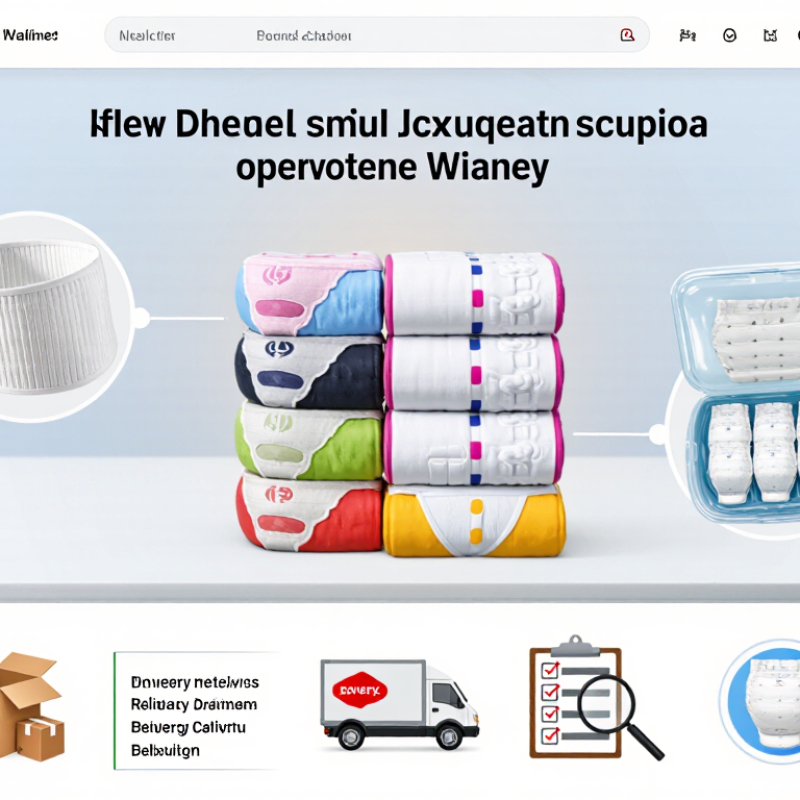
7 Tips for Buying Adult Diaper Pants Wholesale

Define Buyer Needs and Product Specifications

Buying adult diaper pants wholesale starts with a clear definition of buyer needs. Consider who will use them, how often, and in which setting. Home users may value softness and quiet materials, while care facilities may prioritize secure fit and efficient changing. Record waist measurements, absorbency expectations, leakage concerns, and skin sensitivities before contacting suppliers.

Tip: Request samples in several sizes. Check the waistband, leg gathers, tear-away seams, and surface dryness after use. A product can appear suitable on paper but feel uncomfortable during movement. Test daytime and overnight performance separately. Small details matter.

Product specifications should be measurable, not vague. Ask for absorbency test results, material descriptions, size tolerances, packaging dimensions, and production consistency records. Confirm the minimum order quantity, delivery schedule, and inspection process in writing. Reliable suppliers should answer clearly and provide current documentation. Do not rely on attractive photos alone.

Tip: Compare samples using the same amount of liquid and the same waiting time. Keep simple notes. I might focus too heavily on absorbency and overlook heat, odor control, or disposal convenience. That is a mistake worth checking early. Buyer needs can also change after feedback, so leave room for adjustment before placing a large wholesale order.

Compare Absorbency, Materials, Sizes, and Comfort Features

When buying adult diaper pants wholesale, compare absorbency under realistic conditions, not only package claims. A 2023 report from the National Association for Continence estimates that more than 25 million Americans experience urinary leakage. Demand is substantial, but needs vary sharply.

Request independent test results, preferably using ISO 11948-1 or comparable laboratory methods. Check total absorption, rewet performance, and leakage after movement. A high capacity number can still feel wet.

Material choice affects skin comfort and handling. Nonwoven topsheets usually feel softer, while breathable back sheets can reduce heat buildup. Look for latex-free construction and dermatologically tested materials.

The World Health Organization stresses that moisture management supports better skin health, although product design cannot replace regular changing. Avoid relying on fragrance as a comfort feature.

It may hide odor rather than solve it.

Sizing deserves a physical check. Measure waist and hip areas, then compare the supplier’s chart. Do not purchase one size for every user. Evaluate leg gathers, waistband stretch, tear-away sides, and odor control during a seven-day sample trial.

The European Disposables and Nonwovens Association identifies fit and leakage control as important performance considerations in absorbent hygiene products. I would test day and night use separately.

Bulk savings disappear when poor fit creates returns. No chart replaces a real wear test.

Some reports also use different testing conditions, which makes direct comparison imperfect.

Verify Supplier Quality, Certifications, and Production Capacity

7 Tips for Buying Adult Diaper Pants Wholesale

Verify supplier quality before discussing large orders. Request recent product samples, not only polished catalogue images. Check absorbency, leakage control, softness, odor control, and waistband recovery. I usually test samples after several hours of use and compare them with the supplier’s specifications. Small differences become serious when ordering thousands of pieces.

Certifications deserve careful review. Ask for complete documents, issuing bodies, validity dates, and covered product categories. Confirm that factory processes match the claimed standards. Depending on your target market, relevant evidence may include quality management certification, material safety reports, and product testing records. A certificate alone proves little. I once trusted an outdated report, and the delay created avoidable costs. That mistake still influences my purchasing checklist.

Production capacity must be measured, not merely promised. Ask how many production lines operate daily, what the normal monthly output is, and how seasonal demand affects schedules. Review lead times for raw materials, production, inspection, and shipping. Request photos or a live factory review when practical. Quality control should include incoming material checks, in-process inspections, and finished-carton sampling. Also ask about backup equipment and trained replacement workers. Numbers can look impressive. Real capacity is consistent delivery. Leave room for problems, because factories rarely perform perfectly every month.

Calculate Wholesale Costs, Minimum Orders, and Shipping Terms

7 Tips for Buying Adult Diaper Pants Wholesale

Calculate Wholesale Costs, Minimum Orders, and Shipping Terms

Wholesale pricing starts with landed cost, not the carton price. Record the unit price, packaging, inspection, payment fees, and inland delivery. Then divide the total by sellable pieces. A quote of $0.18 per piece may become $0.24 after these additions. Check currency and tax treatment carefully. Ask for a dated pro forma invoice. Small details matter. I once underestimated pallet handling, and the margin disappeared. That mistake changed my spreadsheet.

Minimum order quantities affect cash flow and storage space. Compare the supplier’s MOQ with your realistic monthly demand. Request tiered prices for 500, 1,000, and 3,000 cartons. A lower unit price is not useful if products remain unsold. Confirm carton quantity, size range, absorbency specifications, and shelf-life guidance. Keep written records. Verbal promises are difficult to verify later.

Shipping terms must name every responsibility. Confirm whether the quote is EXW, FOB, CIF, or another agreed term. Ask who pays freight, customs clearance, duties, and final delivery. Calculate freight per piece using carton dimensions and total weight. Compare sea and air options, including insurance and expected delays. A low freight quote can hide extra charges. Build a small contingency budget. Before placing a large order, inspect samples and request production photos. My own early estimates were too optimistic. Rechecking them now prevents expensive surprises.

Review Samples, Negotiate Terms, and Plan Inventory Management

7 Tips for Buying Adult Diaper Pants Wholesale

Sample review should come before price negotiation. Check absorbency, leakage control, waistband recovery, odor control, and skin-contact softness. Wear-test samples during daytime and overnight use. Record fluid volume, fit notes, and leakage points. Do not trust a single tester. Body shapes vary.

WHO’s 2024 ageing report states that one in six people worldwide will be aged 60 or older by 2030. Demand may grow, but inaccurate forecasts still create expensive dead stock. Ask suppliers for test reports, material specifications, carton dimensions, and production lead times. Confirm whether samples match mass-production materials. Small differences matter.

Negotiate more than unit price. Discuss minimum order quantities, payment stages, replacement rules, inspection rights, and late-delivery remedies. Request a written tolerance for sizing and absorbency. Keep every promise in the purchase agreement. Verbal assurance is weak evidence. I would also negotiate mixed-size cartons, although suppliers may resist. That assumption fails sometimes.

Inventory planning needs practical data. The UN World Social Report 2023 projects that people aged 65 and above will reach 16% of the global population by 2050. Use sales history by size, absorbency level, and channel. Set separate reorder points for fast and slow-moving products. Maintain safety stock for shipment delays, not panic buying. Track stock weekly. Measure everything. Rotate cartons by production date, and inspect damaged packaging before dispatch.

7 Tips for Buying Adult Diaper Pants Wholesale - Review Samples, Negotiate Terms, and Plan Inventory Management

No. Buying Tip Key Checkpoint Sample Review Method Practical Target or Benchmark Negotiation Point Inventory Management Action
1 Define the product specification before requesting prices Confirm waist-size range, absorbency level, core construction, fastening design, packaging format, unit count per pack, and units per carton. Compare samples using the same size and intended use case. Record waist fit, leg-cuff recovery, leakage-guard height, softness, odor control, and ease of tearing the side seams. Create one written specification sheet with measurable acceptance criteria, such as size tolerance, pack count, carton count, and maximum allowable defect rate. Request prices for identical specifications so that a lower quotation is not caused by reduced material weight or a different absorbency class. Assign separate inventory codes to each size and absorbency level; do not combine visually similar products in one stock record.
2 Review samples under realistic conditions Check fit, dryness, rewetting, leakage protection, skin-contact materials, elastic comfort, and package integrity. Test at least three samples per size where possible. Use a consistent liquid volume and test interval, then document leakage, clumping, tearing, and surface wetness. Use a scored checklist from 1–5 for fit, comfort, dryness, odor, leakage resistance, and packaging. Approve only samples meeting the buyer’s minimum score in every critical category. Ask whether the approved sample will be the production reference sample and include a retained sample in the purchase agreement. Hold new-product stock in a quarantine location until quality inspection and sample comparison are completed.
3 Verify compliance and product documentation Review material declarations, test reports, labeling rules, packaging claims, safety documentation, and destination-market requirements. Match the documents to the exact product specification, size range, packaging artwork, and production material. Check issue dates and laboratory details. Maintain a document file containing the specification sheet, inspection criteria, test reports, packing list, and applicable import or labeling records. Make document delivery and accurate labeling contractual requirements rather than informal promises. Block receiving if carton labels, lot information, or delivered specifications do not match the approved purchase order.
4 Compare total landed cost, not only unit price Include product cost, packaging, inspection, freight, insurance, duties or taxes, customs clearance, warehousing, and potential rework. Build a cost-per-piece and cost-per-carton comparison using the same delivery terms, shipment quantity, currency, and exchange-rate assumption. Use the formula: Landed cost per unit = total delivered cost ÷ sellable units received. Negotiate carton optimization, consolidated shipping, reduced packaging complexity, or payment timing instead of sacrificing absorbency or fit. Store landed cost by stock-keeping unit so margin reports reflect freight and import expenses accurately.
5 Negotiate MOQ, lead time, payment, and quality terms together Clarify minimum order quantity, production lead time, sampling time, shipment window, deposit balance, inspection rights, and remedy for nonconforming goods. Request a written quotation showing price breaks at different quantities, lead times, carton quantities, and payment milestones. Use a realistic planning range of approximately 30–60 days for production and shipment preparation when importing, then confirm the actual schedule in writing. Trade volume commitments for better pricing only when the MOQ matches forecasted demand and available storage capacity. Set a reorder trigger that accounts for supplier lead time, transit time, receiving time, and a safety-stock buffer.
6 Plan inventory by size and demand velocity Track weekly sales by size, absorbency, channel, season, and customer type instead of using one average demand figure. Review at least 8–12 weeks of demand where available. Separate fast-moving sizes from slow-moving sizes before placing a bulk order. Calculate days of supply = available sellable units ÷ average daily demand. Set different minimum and maximum stock levels for each size. Ask for mixed-size cartons or a size ratio aligned with the sales forecast rather than accepting an inflexible equal-size allocation. Use FEFO where lot or expiry information applies, and apply FIFO for products without expiry dates to reduce aged inventory.
7 Use inspection, replenishment, and supplier scorecards Measure shipment accuracy, defect rate, on-time delivery, fill rate, complaint rate, document accuracy, and response time. Inspect cartons, quantities, packaging, dimensions, labeling, and product appearance before release. Record defects by lot and size. Set internal targets such as 100% carton-count accuracy, on-time delivery above 95%, and a documented corrective action for every critical defect. Link repeat orders and volume increases to verified performance rather than quoted price alone. Review the scorecard monthly and adjust reorder quantities, safety stock, or supplier allocation when performance changes.

Planning note: Targets and lead-time ranges should be adapted to the destination market, product specification, shipping method, order volume, and the buyer’s historical demand data.

Request for Quote

Please fill in as much details as possible and we will take care of your request as soon as possible

Skip to content