Smart AI Glasses represent a significant leap in wearable technology. They combine augmented reality with artificial intelligence to enhance our daily experiences. These glasses can provide real-time information through overlays. Users can access navigation, notifications, and even translations seamlessly.
The technology behind Smart AI Glasses is fascinating. They utilize cameras, sensors, and microphones to understand surroundings. Algorithms analyze data to deliver relevant insights promptly. Features such as voice commands make these devices user-friendly. However, they also raise concerns about privacy and data security. Users must reflect on how they engage with such technology.
In a rapidly evolving digital world, Smart AI Glasses offer both opportunities and challenges. Their potential to improve productivity cannot be ignored. Nevertheless, as we delve deeper, it is crucial to examine the implications of constant connectivity. This balance between innovation and ethical considerations will shape the future of Smart AI Glasses.
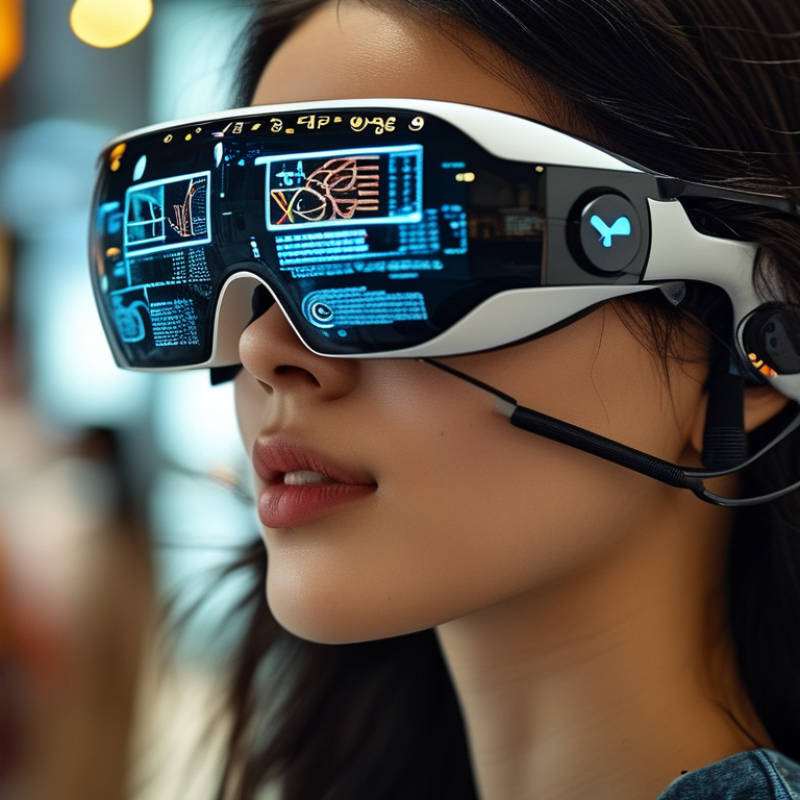
Smart AI glasses are an innovative technology merging augmented reality (AR) with artificial intelligence (AI). These glasses offer users displays that overlay digital information onto the real world, enhancing everyday experiences. Reports indicate that the smart eyewear market is projected to reach $15 billion by 2025, reflecting a growing interest in hands-free applications.
The functionality of smart glasses often involves voice recognition and AI algorithms, allowing for seamless interactions. Users can access navigation, notifications, and even health data instantly. However, the integration of such technology raises concerns over privacy and data security. As AI continues to evolve, there’s a critical need for regulations to safeguard personal information.
A notable trend in the industry is the focus on user experience and design. Many designs prioritize comfort and style, yet they may sacrifice battery life or processing power. This trade-off can affect user satisfaction and overall performance. Thus, as manufacturers strive for innovation, the balance between aesthetics and functionality remains an ongoing challenge.
| Feature | Description | Benefits |
|---|---|---|
| Display | Augmented reality visuals displayed directly in the user's line of sight. | Enhances real-world experience with digital information. |
| Voice Assistant | Integrated voice recognition for hands-free control. | Increases convenience and efficiency in multitasking. |
| Connectivity | Wi-Fi and Bluetooth connectivity to sync with smartphones and the internet. | Enables access to various applications and features on-the-go. |
| Camera | Built-in camera for capturing photos and videos. | Allows users to document experiences without needing a separate device. |
| Battery Life | Rechargeable battery that lasts several hours depending on usage. | Provides mobility without frequent charging interruptions. |
| User Interface | Intuitive gesture controls and touchpad interface. | Simplifies navigation and enhances user experience. |
Smart AI glasses are a blend of cutting-edge technology and user-friendly design. These innovative devices integrate augmented reality (AR) with artificial intelligence (AI) to enhance daily experiences. They allow users to interact with their surroundings in real-time, providing information right before their eyes.
Key features of smart AI glasses include voice recognition and gesture control. Users can perform tasks hands-free, which is particularly useful in various settings. For instance, navigation becomes seamless as visual directions appear in the lens. AI integration enables personalized assistance, making it a vital tool for productivity.
Tip: Focus on the fit. Comfortable AI glasses encourage longer wear and better utility.
High-quality cameras in these devices capture images and videos. This feature lets users document their experiences instantly. However, privacy is a concern. There is ongoing debate about recording without consent.
Tip: Always be aware of your surroundings when using smart glasses, especially in public spaces.
Battery life is another crucial aspect. Many users report that a full day of usage isn’t always possible. Understanding charging options can help maximize usage.
Tip: Carrying a portable charger can help alleviate battery anxiety during your day.
Smart AI glasses represent a new frontier in wearable technology, merging digital visualization with real-world interaction. These devices can superimpose information onto the user’s field of view, enhancing daily tasks through augmented reality (AR). For instance, users can receive navigation prompts or notifications without looking at their phones. A study by the International Data Corporation (IDC) projects that the shipment of smart glasses will grow by 30% annually over the next five years, indicating rising consumer interest.
The experience provided by smart AI glasses is transformative. Enhanced interactions in professional settings can lead to increased productivity. According to a report by ABI Research, industries adopting augmented reality are expecting a 40% reduction in training costs. However, challenges remain, such as battery life and comfort for extended use. Many users report discomfort during long sessions, suggesting that design improvements are necessary. This feedback highlights the importance of user experience as a focus area for future developments.
Many users also express concerns about privacy when using smart AI glasses. Data collection for navigation or contextual information raises ethical questions. This highlights a need for transparency in how data is used. Balancing functionality with user comfort and privacy will be key to the success of smart AI glasses. The technology has potential, but the journey towards a truly user-friendly product is ongoing.
Smart AI glasses are revolutionizing how various industries operate. In healthcare, surgeons use augmented reality to overlay critical information during operations. This improves precision and reduces errors. A similar approach is seen in manufacturing environments. Workers equipped with smart glasses receive real-time data, enhancing productivity and safety.
In the retail sector, these glasses enable personalized shopping experiences. Retail staff can access customer data instantly, recommending products more effectively. Companies also use AI glasses for training. New employees can learn procedures via hands-free visuals, streamlining the onboarding process.
Tip: Always ensure smart glasses are compatible with existing systems before implementation.
However, not every application has been flawless. Some users report discomfort during extended wear. This can affect work efficiency and overall satisfaction. Challenges also arise with user training; not everyone adapts quickly to new technology.
Tip: Consider pilot testing in smaller teams to identify potential issues early. Addressing these concerns can ensure smoother transitions and higher acceptance rates.
Smart AI glasses are transforming the way we experience the world. They combine augmented reality (AR) with artificial intelligence (AI) to enhance daily life. Imagine navigating a new city while receiving real-time information about landmarks and directions, all through a pair of stylish frames. This technology is evolving rapidly, pushing boundaries in various sectors like healthcare, entertainment, and education.
Future trends indicate a focus on improved user interfaces. Developers are prioritizing touchless controls, making interaction more seamless. When users can navigate features without manual input, experiences become more intuitive. For instance, voice commands could soon allow users to access information effortlessly. Cameras with advanced facial recognition will enhance security and personalization, yet they raise privacy concerns. Users must evaluate their comfort levels in sharing personal data while using such technologies.
Tips: Stay updated on emerging features. Understand privacy settings to maintain control over your data. Explore community feedback to gauge real user experiences. As this technology advances, continuous evaluation of its benefits and risks becomes crucial. Balancing innovation with ethical considerations will shape the future of smart AI glasses.
Please fill in as much details as possible and we will take care of your request as soon as possible