What is an Orthodontic Adhesive System and How Does It Work?
The Orthodontic Adhesive System plays a crucial role in modern orthodontics. It effectively bonds dental brackets to teeth, ensuring braces function properly. This system is composed of various components, including adhesives, primers, and bonding agents. Each part is essential for achieving a strong bond.
Understanding how this system works is vital for both patients and orthodontists. Proper adhesion affects the overall success of orthodontic treatment. When the bond fails, it can lead to delays and complications. Patients may find themselves frustrated, facing additional visits to the orthodontist. Awareness of these potential pitfalls emphasizes the need for a reliable adhesive system.
Despite advancements in dental technology, challenges remain. Some materials may not adhere as expected, leading to concerns about effectiveness. Reflecting on these issues can help improve techniques and materials. Ensuring a strong bond is paramount, as it directly impacts the orthodontic journey. The dynamics of the Orthodontic Adhesive System deserve thoughtful exploration, revealing the complexities of orthodontic care.
Definition of an Orthodontic Adhesive System
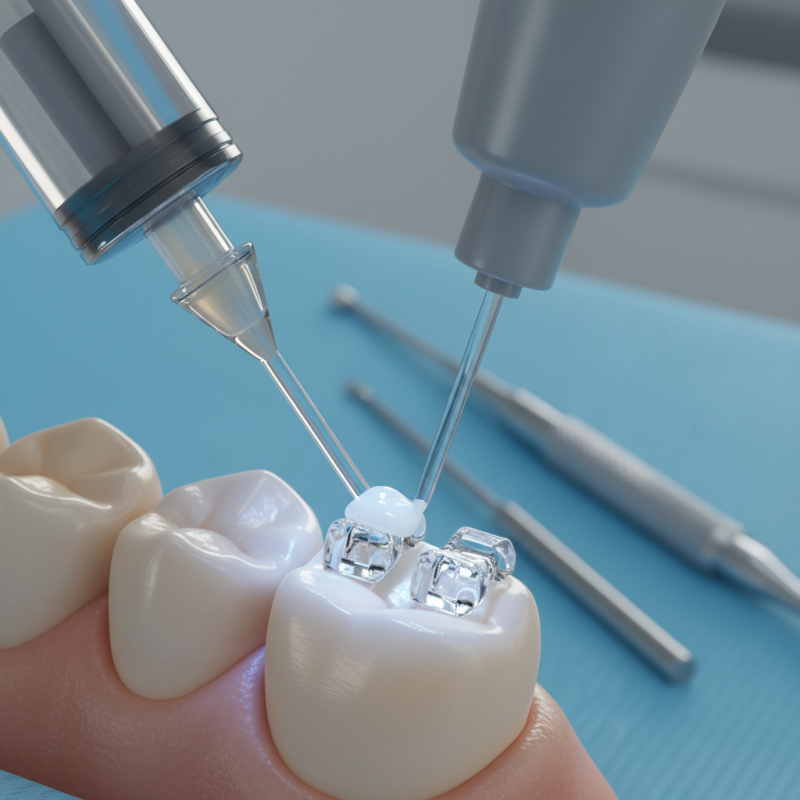
An orthodontic adhesive system plays a crucial role in dental treatments. It is primarily used to bond brackets and other orthodontic appliances securely to teeth. This adhesive ensures that the brackets remain in place throughout the treatment period, allowing for effective tooth movement.
The system consists of two main components: the adhesive material and the bonding agent. The adhesive material is usually a resin that hardens under specific conditions. Meanwhile, the bonding agent helps create a strong bond between the tooth surface and the adhesive. Both components must work seamlessly to maintain the brackets' stability.
During the bonding process, dental professionals meticulously prepare the tooth surface. They clean it, etch it, and apply the bonding agent. This preparation is vital for achieving a reliable bond. However, challenges can arise, such as inadequate preparation or improper application of the bonding materials. These issues can affect the overall effectiveness of the orthodontic treatment.
Components of an Orthodontic Adhesive System
An orthodontic adhesive system is essential in dental treatments. Its main components ensure braces and appliances bond securely to teeth. Understanding these elements is crucial for successful orthodontic procedures.
The adhesive itself is made up of resins and other chemicals. These materials create a strong bond. They help to hold brackets firmly in place. A primer is often used prior to applying adhesive. This layer enhances the bond between the tooth surface and the adhesive. Surface preparation is key; any debris can weaken the bond.
In addition, light-curing units play a role in this system. They harden the adhesive quickly. This allows for a more efficient process. However, if not used correctly, the cure may be incomplete. An imperfect bond can lead to future complications. Regular checks are necessary to ensure everything remains intact.
The Bonding Process: Steps Involved in Applying Adhesives
The bonding process in orthodontics is crucial for successful treatment. It involves several precise steps, each vital for creating a strong bond between brackets and teeth. First, the teeth are cleaned to remove plaque and debris. This step is essential because any leftover particles can weaken the adhesive's effectiveness. According to a report by the American Dental Association, a clean surface improves adhesion by up to 30%.
After cleaning, a bonding agent is applied. This agent prepares the enamel, ensuring better attachment for the adhesive. The adhesive is typically light-cured, meaning it hardens when exposed to a specific wavelength of light. This step takes just a few seconds but is pivotal for durability. A study published in the Journal of Clinical Orthodontics found that proper curing can increase the bond strength by 40%.
Finally, the orthodontist carefully checks the bond's quality. They often conduct a test by gently attempting to wiggle the bracket. If the bond isn't solid, they will need to reassess the cleaning and curing process. It’s not uncommon for practitioners to find that human error affects this stage, leading to additional adjustments. The bonding process requires attention to detail and precision. Each step holds importance in achieving the desired smile, reflecting the complexity and care involved in orthodontic treatments.
Types of Orthodontic Adhesives and Their Applications
Orthodontic adhesives play a crucial role in dental treatments. They bond braces to teeth securely. There are several types of adhesives available, each tailored for specific applications. Common options include light-cured adhesives, self-etching adhesives, and resin-modified glass ionomers. Each has unique properties, affecting strength and ease of use.
Light-cured adhesives offer quick setting times. They become solid when exposed to a special light. This feature can save valuable time during procedures. Self-etching adhesives, on the other hand, simplify the bonding process. They do not require a separate etching step. However, their bond strength varies. Dental professionals need to choose wisely based on the situation.
Additionally, resin-modified glass ionomers provide a different solution. They release fluoride, offering added protection against decay. This is particularly beneficial for younger patients. However, while effective, their bonding strength may not match other options. Each type of adhesive presents advantages and challenges. Careful consideration ensures the best choice for individual cases. Flexibility in selection is essential.
Factors Influencing the Performance of Adhesive Systems
Orthodontic adhesive systems are crucial in dental practices. They bond brackets to teeth, ensuring efficient orthodontic treatment. The performance of these systems relies on several factors. One key element is the surface preparation of the tooth enamel. A properly cleaned and etched surface enhances the adhesive's effectiveness. Studies show that about 70% of failures in bonding result from inadequate surface treatment.
Another factor is the type of adhesive used. Recent reports indicate that light-cured adhesives outperform conventional ones in terms of durability. In fact, light-cured systems can provide up to 30% stronger bond strengths. Proper polymerization is vital here. If the light application is insufficient, the bond may weaken over time.
Environmental conditions also play a role, particularly humidity and temperature. High humidity can negatively impact adhesive performance, leading to reduced bond strength. Reports indicate that as much as 20% of bond failures could be attributed to moisture contamination during the bonding process. Understanding these variables is essential for improving outcomes and minimizing failures in orthodontic treatments.
