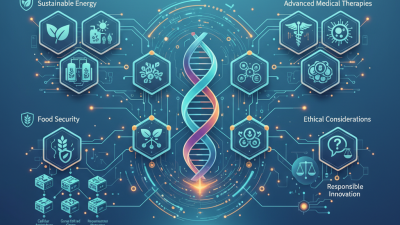
Medical Biotechnology is at the forefront of revolutionizing modern healthcare. The global biotechnology market was valued at approximately $752.88 billion in 2020. It is expected to grow at a CAGR of 15.83% by 2028. This rapid growth reflects its critical role in transforming disease diagnosis and treatment.
One significant aspect of Medical Biotechnology is personalized medicine. Tailoring treatments to individual patients improves outcomes. For example, targeted therapies for cancer have increased survival rates significantly. A study found that patients receiving personalized treatments had a 30% better prognosis than those on standard regimens. This data illustrates the potential for biotechnology to enhance patient care.
However, challenges remain. Access to these advanced treatments is still limited in many regions. Innovations may not reach patients who need them most. Ethical concerns around genetic editing and data security also pose important questions. As we delve deeper into Medical Biotechnology, reflection on these issues is essential for a balanced future in healthcare.
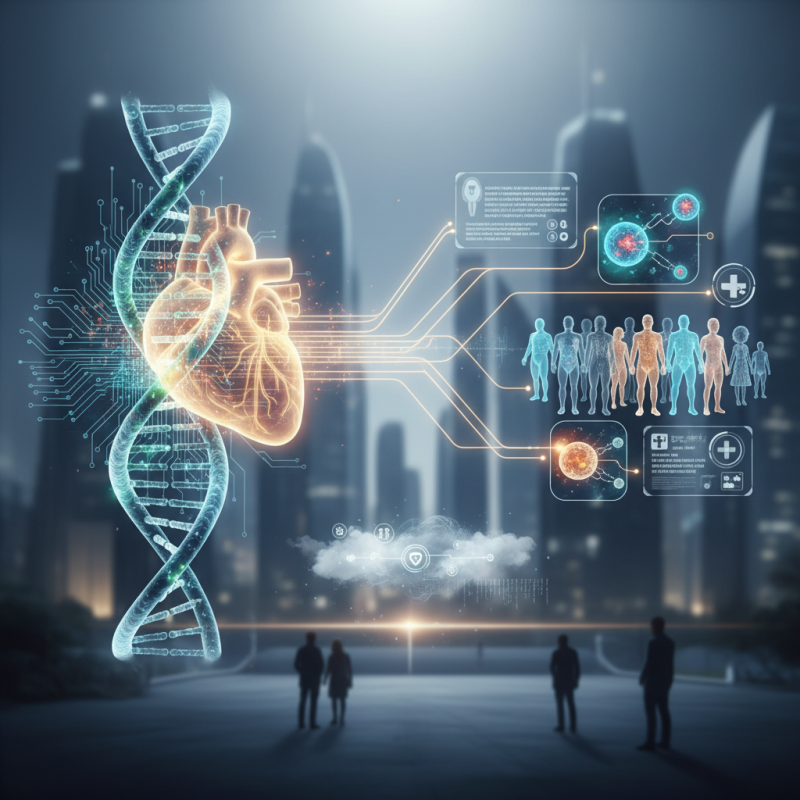
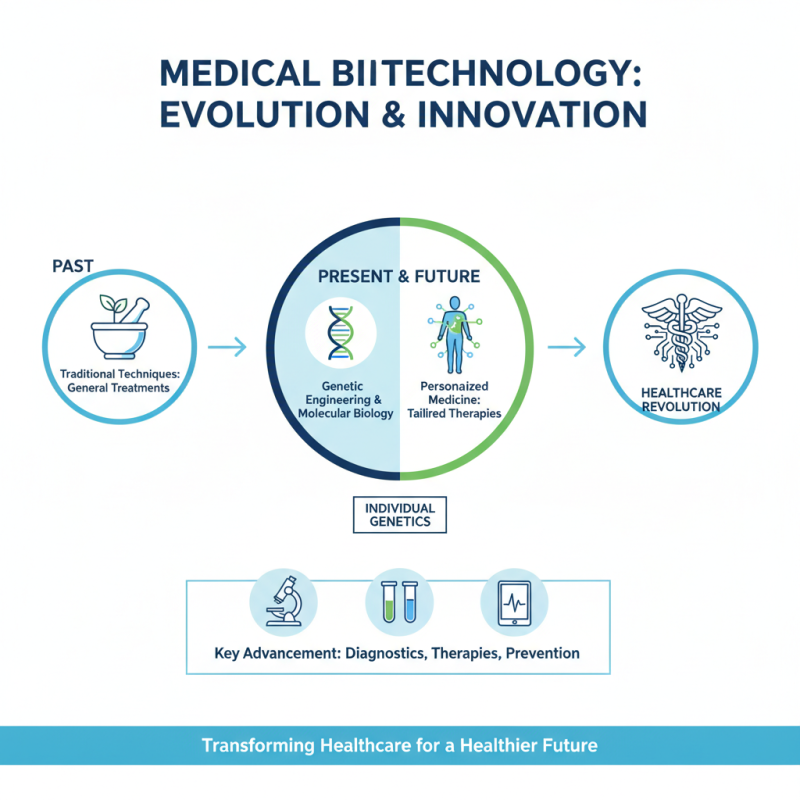
Medical biotechnology has significantly evolved over the past few decades. This evolution has changed how we approach healthcare. Traditional techniques are now complemented by innovative biotechnological methods. Scientists are using genetic engineering and molecular biology to develop new therapies. These advancements allow for personalized medicine, offering tailored treatments based on individual genetics.
In diagnostics, biotechnology has made great strides. New tools enable faster and more accurate disease detection. For instance, advancements in biomarker identification aid in early cancer detection. However, challenges remain, such as ensuring equitable access to these innovations. Many patients still face barriers to receiving cutting-edge treatment. Additionally, ethical concerns arise in genetic manipulation. These issues require ongoing dialogue and thoughtful consideration.
As medical biotechnology continues to advance, the potential impacts on healthcare are profound. It promises not just treatments, but a better understanding of diseases. Yet, we must remain vigilant. Reflection on the implications of these technologies is essential to ensure they benefit all. Balancing innovation with ethics is a challenge we must strive to meet.
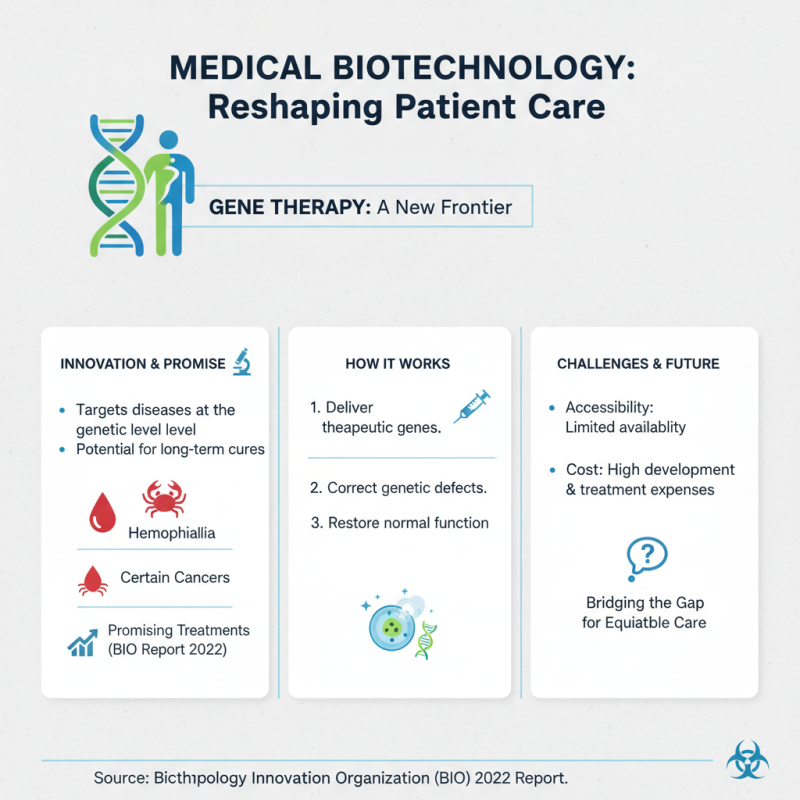
Medical biotechnology is reshaping patient care significantly. One of the most notable innovations is gene therapy. According to a 2022 report from the Biotechnology Innovation Organization, gene therapy has shown promise in treating conditions like hemophilia and certain types of cancer. This therapy can provide long-term solutions, but challenges remain in accessibility and cost.
Another key area is personalized medicine. Genetic profiling allows treatments to be tailored to individual patients. A recent study found that personalized approaches can increase treatment effectiveness by up to 60%. However, issues around data privacy and the ethical use of genetic information require careful consideration.
Additionally, the development of CRISPR technology has accelerated research in genetic modifications. It opens up possibilities for curing genetic disorders. Yet, the debate over the implications of gene editing reminds us that these advancements must be approached cautiously. Balancing innovation with ethical standards is crucial as we move forward.
Medical biotechnology is reshaping how we approach disease diagnosis and treatment. Advanced techniques like CRISPR and monoclonal antibodies are at the forefront. According to a report by Grand View Research, the global medical biotechnology market is expected to reach over $800 billion by 2028. This rapid growth highlights its importance in modern healthcare.
One major application is in precision medicine. Tailoring treatments based on an individual’s genetic profile can improve outcomes. For instance, targeted therapies in cancer treatment have shown promise. A study published in the Journal of Clinical Oncology indicated that about 60% of patients receiving targeted therapy had better responses than traditional methods. However, this approach also raises ethical concerns. Are we ready to manage the complexities of genetic data?
In diagnostics, biotech tools are transforming early disease detection. Techniques like next-generation sequencing (NGS) enable quick identification of pathogens. A report from the National Institutes of Health noted that early detection can enhance survival rates by 50% in certain cancers. Yet, the accuracy of these tests can vary. Continuous improvements are necessary to ensure reliable outcomes. Balancing innovation with ethical responsibility remains a challenge in the field.
| Application Area | Description | Impact on Healthcare |
|---|---|---|
| Genetic Testing | Analyzing DNA to identify genetic disorders or predispositions to diseases. | Early diagnosis and personalized treatment options. |
| Gene Therapy | Modifying genes to treat or prevent diseases. | Potential cures for genetic disorders. |
| Monoclonal Antibodies | Antibodies made from identical immune cells that are clones of a unique parent cell. | Targeted therapies for cancer and infections. |
| CRISPR Technology | A tool for editing genes with high precision. | Innovations in gene repair and disease eradication. |
| Biomanufacturing | Using microorganisms to produce pharmaceuticals and vaccines. | More sustainable and efficient production methods. |
Genetic engineering plays a vital role in modern healthcare solutions. It enables precise modifications to DNA, offering new avenues for treating diseases. For instance, gene therapy has shown promise in treating genetic disorders like cystic fibrosis. Scientists can target the root cause, providing hope to patients and families. However, the process is not without challenges. Ethical concerns often arise, questioning the implications of altering human genetics.
Another application of genetic engineering is in the development of personalized medicine. By analyzing an individual's genetic makeup, healthcare providers can tailor treatments. This approach improves efficacy and reduces side effects. Yet, accessibility remains an issue. Not everyone can benefit equally from these advancements. Some patients face barriers based on socioeconomic factors. As we strive for innovation, we must address these disparities.
Technological advancements also lead to unexpected results. Sometimes, modifications may lead to unforeseen complications. Ongoing research is critical to understanding long-term effects. Striking a balance between progress and caution is essential. The potential of genetic engineering in healthcare is immense, yet we must navigate its complexities thoughtfully.
Medical biotechnology is revolutionizing healthcare in many ways. However, the path forward is fraught with challenges. One significant issue is the cost of research and development. Creating innovative therapies requires substantial investment. Startups often struggle to secure funding. This can slow down breakthroughs in important areas like gene therapy or personalized medicine.
Additionally, regulatory hurdles can complicate advancements. Navigating complex approval processes can delay essential treatments from reaching patients. Cooperation between scientists and policymakers is crucial. Another challenge lies in ensuring equitable access to new therapies. As treatments become available, disparities may widen. Not everyone will benefit equally from advancements in biotechnology.
Despite these difficulties, the opportunities are immense. Research in areas like CRISPR and regenerative medicine holds great promise. These technologies can lead to cures for many diseases. Enhanced diagnostics enable earlier treatment interventions. Collaboration among various stakeholders can help address these challenges. By working together, we can harness the full potential of medical biotechnology. There is much to explore, and not all questions have answers yet.
Please fill in as much details as possible and we will take care of your request as soon as possible