10 Essential Tips for Running a Successful Biotech Lab
In the rapidly evolving landscape of biotechnology, establishing a successful Biotech Lab is crucial. According to a report from BioIndustry Association, the global biotech sector is projected to reach $727 billion by 2025. This growth emphasizes the importance of effective lab management. Leading expert Dr. Emily Santos remarked, "A thriving biotech lab is built on solid foundations of innovation and discipline."
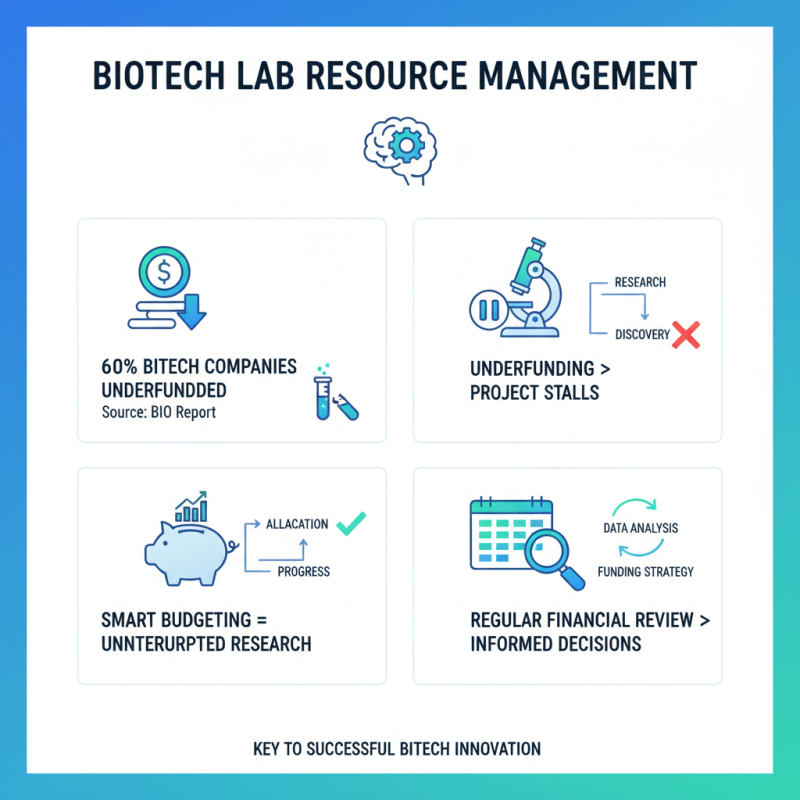
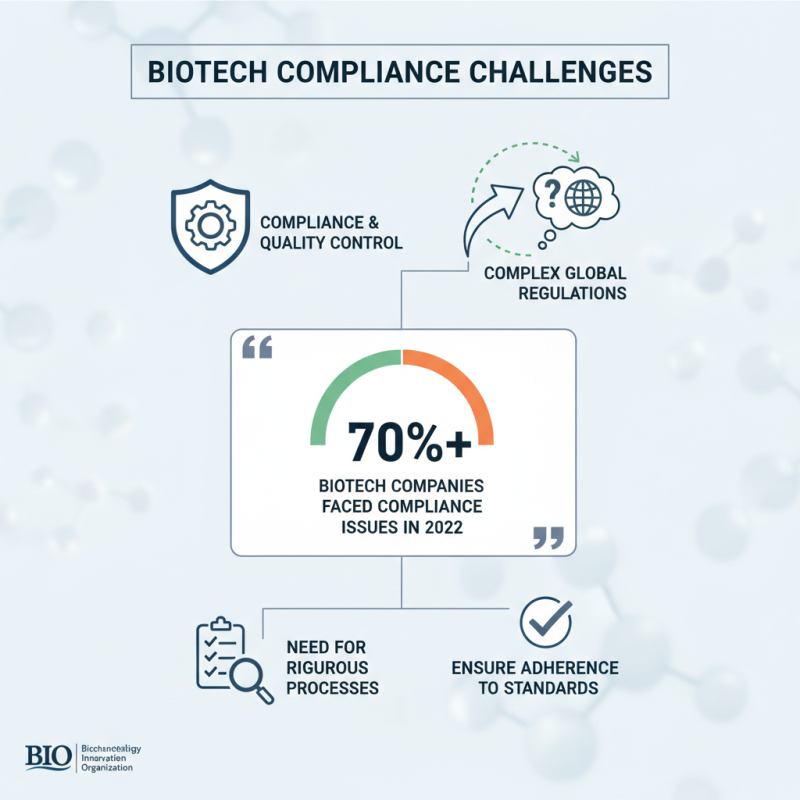
Ensuring compliance with industry standards and remaining agile are key factors. Laboratories often encounter challenges, such as resource allocation and maintaining accurate records. It’s vital to continuously evaluate processes and make necessary adjustments. Balancing innovation with practical constraints can be difficult. For example, while seeking groundbreaking research, many labs overlook the significance of strict protocols and documentation.
Additionally, fostering teamwork and communication within the Biotech Lab is essential. Reports indicate that collaboration can boost productivity by up to 25%. However, without clear communication, misunderstandings can derail projects. Thus, acknowledging imperfections and striving for improvement is crucial in creating an effective biotechnology environment.

Key Elements for Establishing a Biotech Lab's Research Vision
Establishing a research vision for your biotech lab is pivotal. A clear vision drives your team toward common goals. It informs project selection and resource allocation. Keeping your vision adaptable is essential. The biotech field is rapidly evolving, and your lab must stay flexible.
Engaging with diverse stakeholders can enhance your research vision. Collaborate with scientists, industry professionals, and potential investors. Their insights can help shape your priorities. However, balancing various interests can be challenging. Conflicts may arise over project focus. Addressing these tensions requires open communication and negotiation.
Emphasizing innovation is crucial. Encourage your team to brainstorm regularly. Celebrate creative ideas, even if they seem impractical at first. Some of the best discoveries come from unconventional thinking. Yet, not every idea will be a success. Learning from failures builds resilience and adaptability in your lab culture.
Innovative Technology Integration: Staying Ahead with Lab Equipment
In the fast-paced world of biotech, integrating innovative technology is paramount. According to a 2022 industry report, over 70% of successful labs attribute their efficiency to advanced equipment. High-throughput screening and automated liquid handling are game changers. They help researchers save time and reduce human errors. However, relying too heavily on automation can lead to oversight of critical manual processes.
Investing in cutting-edge lab equipment is essential, but it's not foolproof. The same report highlighted that approximately 30% of labs still struggle to fully utilize their technology. Employee training often lags behind equipment acquisition. Teams may feel overwhelmed by new systems. Regular workshops and hands-on sessions can bridge this gap.
Monitoring advancements in biotech equipment is crucial. Recent advancements include AI-driven data analysis tools, which can significantly enhance research outcomes. Yet, labs must remain vigilant. Overhyped technologies may not deliver expected results. Continuous evaluation of both equipment performance and team adaptability can drive success, avoiding the pitfalls of premature reliance on tools.
Building a Collaborative Culture: Fostering Teamwork in Scientific Research
Building a collaborative culture is essential in a biotech lab. Teamwork empowers scientists to combine skills and knowledge. According to a report by the National Institutes of Health, collaborative research can lead to a 60% increase in innovation. However, fostering this culture is not without challenges.
Creating an environment where every voice is heard is critical. Open communication often breaks down silos among specialists. However, some team members may struggle to share their ideas. A survey indicated that 40% of scientists felt their contributions were overlooked. This shows a need for better inclusivity strategies in lab settings.
Regular team-building activities can enhance relationships. These can be as simple as informal weekly check-ins. Yet, they require commitment, and some teams may resist change due to habits. Reflecting on past projects can identify areas for improvement. Data suggests that labs with strong collaboration experience higher retention rates. Addressing weaknesses can lead to a more dynamic and innovative research environment.
10 Essential Tips for Running a Successful Biotech Lab
| Tip |
Description |
Benefit |
| Foster Open Communication |
Encourage team members to share ideas and feedback regularly. |
Enhances collaboration and innovation. |
| Define Clear Roles |
Assign specific responsibilities to each team member. |
Reduces overlap and confusion, increasing efficiency. |
| Encourage Professional Development |
Support team members in their pursuit of training and education. |
Boosts morale and enhances skill sets. |
| Promote Team-Building Activities |
Organize events to strengthen team dynamics. |
Builds trust and improves collaboration. |
| Establish a Safe Space for Ideas |
Create an environment where all ideas are welcome. |
Encourages creativity and out-of-the-box thinking. |
| Leverage Technology |
Use collaborative platforms to share data and resources. |
Enhances accessibility and streamlines workflows. |
| Celebrate Achievements |
Acknowledge both group and individual accomplishments. |
Boosts morale and fosters a positive environment. |
| Regular Meetings |
Hold consistent meetings to discuss progress and hurdles. |
Keeps everyone aligned and motivated. |
| Solicit Feedback |
Encourage team members to provide feedback on processes. |
Facilitates continuous improvement. |
| Encourage Diversity |
Promote an inclusive environment with diverse teams. |
Brings diverse perspectives and enhances innovation. |