In today's fast-evolving biotech landscape, effective communication is crucial. A well-crafted "Biotech Newsletter" can bridge the gap between complex industry developments and your audience. According to a recent report by the Biotechnology Innovation Organization (BIO), 56% of biotech professionals believe that lack of accessible information hinders innovation. This highlights the need for clear and concise communication strategies.
An engaging newsletter serves as a vital tool for sharing insights, research updates, and industry trends. It should cater to diverse audience segments, ensuring that content resonates with both specialists and laypersons. A study from Statista indicates that 45% of readers prefer newsletters that blend scientific findings with practical applications. Striking this balance can be challenging. It requires constant reflection on the content's relevance and clarity.
Consider what stories you could tell. Are they captivating enough? Reports show that 78% of successful biotech newsletters include case studies or user testimonials. This personal touch invites readers into the narrative. Revisiting your newsletter's design and structure might also prove beneficial. Regular updates and fresh perspectives can enhance engagement. Balancing informative content with accessible language remains essential in fostering a loyal readership.

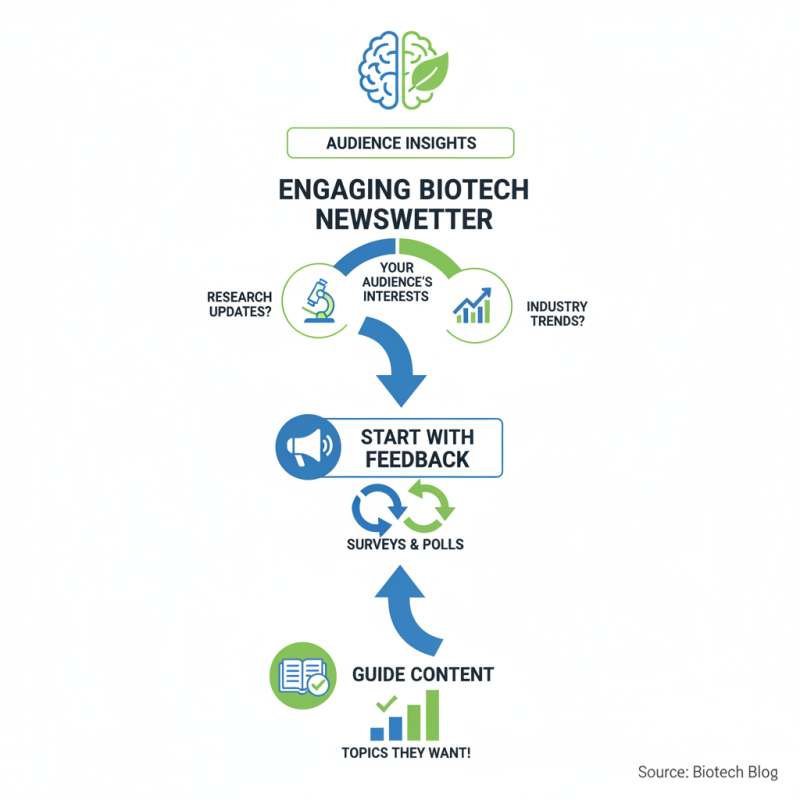
Creating an engaging biotech newsletter requires understanding your audience's interests. Start by conducting surveys or polls. Ask your readers about their preferred topics. Do they want updates on research? Or are they more interested in industry trends? This feedback can guide your content.
Tips: Focus on specificity. For example, highlight recent breakthroughs in gene editing or clinical trials. Avoid vague language. Precision keeps your audience coming back for more.
Consider segmenting your audience based on their interests. This way, you can tailor content to various groups. A researcher might seek in-depth studies. Meanwhile, investors might prefer market analysis. Track engagement metrics. What articles do your readers click on? Learn from what works and what doesn't.
Finally, don't hesitate to share challenges. Biotech is a fast-paced field. Mistakes happen. Discuss failures in research or projects. It makes your newsletter relatable. Readers appreciate transparency. They are more likely to engage when they see realistic perspectives.
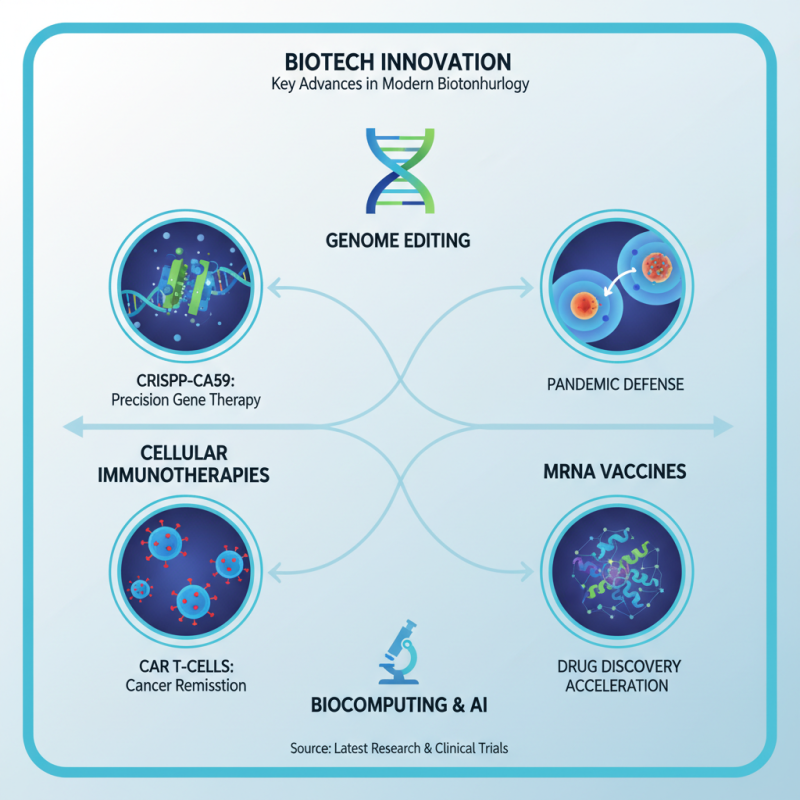
In the rapidly evolving field of biotechnology, selecting relevant topics is crucial for an engaging newsletter. Current trends indicate that the global biotechnology market is projected to reach $2.44 trillion by 2028, growing at a compound annual growth rate (CAGR) of 15.83% from 2021. Such data underscores the need for newsletters to focus on cutting-edge innovations. Highlighting breakthroughs in gene therapy or CRISPR technology can captivate readers' attention.
Additionally, public interest in personalized medicine is surging. A recent report from the American Journal of Managed Care revealed that 60% of patients find personalized treatments more appealing. Incorporating case studies or success stories in newsletters can make the content relatable. However, it’s important to avoid jargon. Simplifying complex topics ensures wider accessibility.
While it’s tempting to follow popular trends, it's crucial to critically assess their impact. Not every breakthrough is universally beneficial, and some may lead to ethical dilemmas. Including diverse perspectives can foster deeper discussions. Engaging with one’s audience through polls or feedback can provide insights into their interests. Balancing trending topics with thoughtful reflection helps in creating a meaningful biotechnological dialogue.
Creating an eye-catching newsletter layout is essential for capturing your audience's attention. Start with a bold header that reflects your brand's identity. Use clean fonts and vibrant colors to keep it visually appealing. A cluttered design can overwhelm readers. Be mindful of white space; it enhances readability and draws attention to key elements.
Images play a crucial role in newsletter design. Choose high-quality, relevant visuals that complement your content. However, don’t overdo it. A few striking images can have a stronger impact than many smaller ones. Consider using infographics to convey complex information simply. This approach not only informs but also keeps the audience engaged.
Layout consistency is vital but allows for creativity. Experiment with column widths and section breaks. Alternative backgrounds for different sections can add intrigue. Remember, simplicity sometimes has the most powerful impact. Don’t shy away from adjusting your layout based on feedback. Embrace the learning curve. Reflect on what works and what doesn’t each time.
To create an engaging biotech newsletter, incorporating visuals is essential. Start with high-quality images that reflect the latest breakthroughs in the field. Good images spark interest and encourage reading. Infographics can simplify complex data. They break down intricate concepts into digestible pieces. When combined with short captions, they enhance overall comprehension.
Multimedia elements add another layer of engagement. Short video clips can highlight interviews with experts. They provide a more personal touch. Podcasts can be included, too. They allow audiences to consume content on-the-go. However, keep in mind that some may prefer reading over listening. Therefore, balance is crucial. Ensure that each piece aligns with your audience's preferences.
Yet, not every visual will resonate. Some images might distract rather than inform. Testing different styles could reveal what works best. Gathering feedback is vital. This way, you can refine your approach. Continuously improve your newsletter. Engagement is a journey, not a destination.
Establishing a consistent publication schedule is vital for any biotech newsletter. The industry thrives on timely information and updates. Regular content boosts reader engagement. According to a recent survey, 78% of successful publications release content on a predictable schedule. This builds anticipation and trust among subscribers.
Consider a monthly or bi-weekly release. Shorter formats can also be effective. Imagine your audience expecting a fresh update every two weeks. This fosters a sense of community. Yet, not every issue will capture attention. Some topics may resonate less than others. Analyses show that 32% of readers disengage if the content feels irrelevant.
Choosing a format is equally important. A mix of articles, infographics, and interviews can diversify the content. Research indicates that visual content increases engagement by 94%. However, relying solely on visuals may alienate certain readers. Crafting a well-rounded newsletter demands constant adjustments. An iterative approach, incorporating feedback, can refine content and enhance reader experience.
Please fill in as much details as possible and we will take care of your request as soon as possible