Why Should You Consider a Biotechnology Course for Your Career Growth?

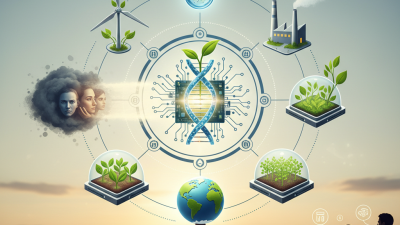
The biotechnology industry is rapidly expanding, with a market size projected to reach $727.1 billion by 2025. This growth presents numerous career opportunities. However, many professionals fail to recognize the potential benefits of a Biotechnology Course.

A Biotechnology Course equips individuals with essential skills in genetics, bioinformatics, and pharmaceuticals. These skills are in high demand as companies seek innovative solutions to global challenges. Additionally, data shows that career prospects in biotechnology can offer salaries exceeding $100,000 annually. Yet, some may hesitate to enroll in such courses due to misconceptions about the complexity or relevance of the field.

Moreover, the dynamic landscape of biotechnology requires continuous learning. Many professionals overlook the importance of staying updated with advancements. Ignoring these educational opportunities could hinder career growth. Therefore, considering a Biotechnology Course could be a pivotal step towards a successful career in this thriving industry.

Why Should You Consider a Biotechnology Course for Your Career Growth?

The Growing Importance of Biotechnology in Various Industries
Why Should You Consider a Biotechnology Course for Your Career Growth?

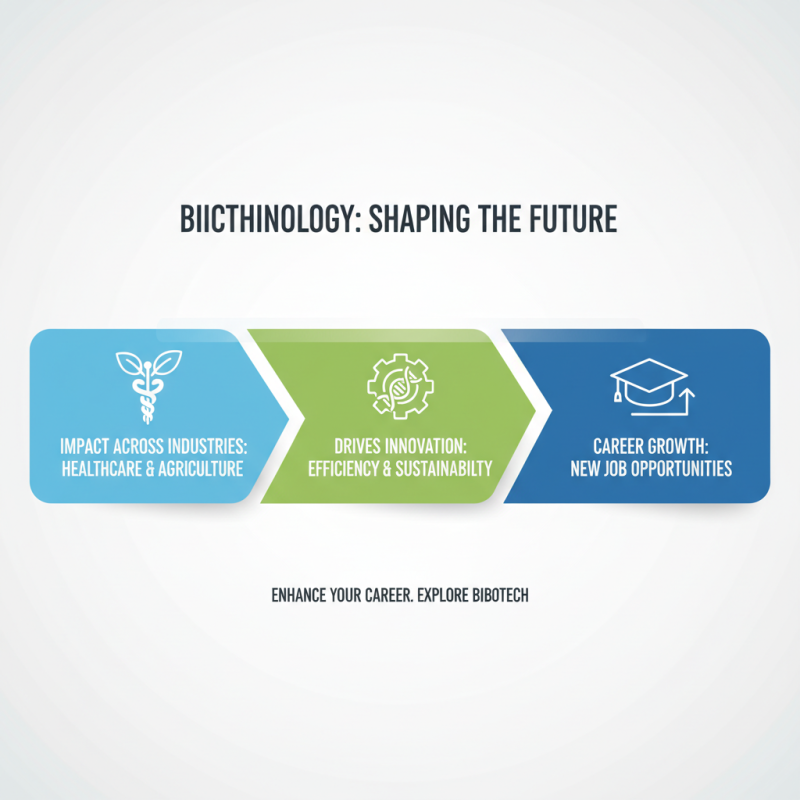
Biotechnology is becoming increasingly vital across various industries. From healthcare to agriculture, the impact is profound. Companies now rely on biotechnological advances to improve product efficiency and sustainability. This growth leads to new job opportunities, making a biotechnology course worthwhile for anyone looking to enhance their career.

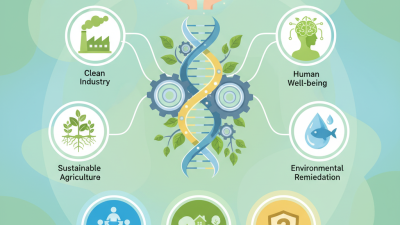
Consider this: the healthcare industry uses biotechnology for drug development. Personalized medicine is an area that demands skilled professionals. Meanwhile, agriculture benefits from genetically modified crops, helping to meet food security challenges. The environment is also changing due to biotechnological innovations aimed at conservation and pollution reduction.

Tips for those thinking about a career in biotechnology: research the latest trends. Explore areas like synthetic biology or bioinformatics. Networking can open doors. Attend conferences and join related forums. Remember, it is okay to feel unsure at first. Embrace the learning process and seek mentorship for guidance. Staying adaptable is key in this rapidly evolving field.
Key Skills Acquired from a Biotechnology Course

Why Should You Consider a Biotechnology Course for Your Career Growth?

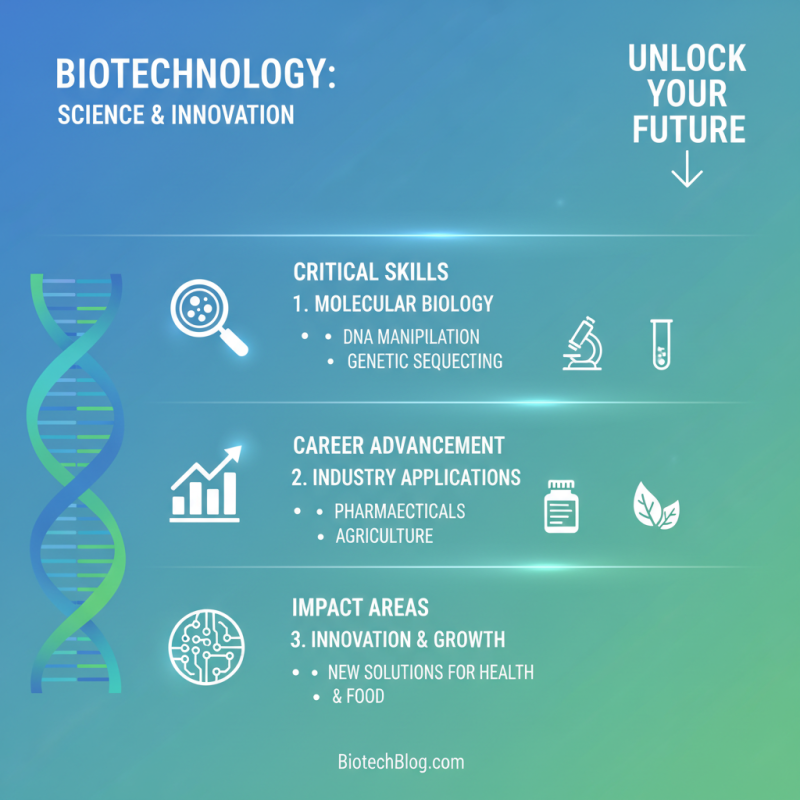
Biotechnology is a vibrant field that merges science and technology. By pursuing a biotechnology course, you gain critical skills necessary for career advancement. A solid foundation in molecular biology is essential. It equips you with techniques like DNA manipulation and genetic sequencing. These skills are key in areas like pharmaceuticals and agriculture.

Hands-on laboratory experience is another important aspect. Working in labs helps you apply theoretical knowledge. You learn to operate complex equipment and conduct experiments. This practical exposure is invaluable. Tips: Engage actively during lab sessions. Ask questions and seek guidance when needed.

Data analysis is fundamental in biotech. Understanding bioinformatics can set you apart. You’ll learn to interpret large datasets. This is crucial for research and development projects. Tips: Familiarize yourself with software tools used in the industry. Practice analyzing real datasets to improve your confidence.

While biotechnology offers many opportunities, it also comes with challenges. The field is constantly evolving. Keeping up with new developments can be demanding. Nonetheless, the skills you acquire are versatile and relevant in many sectors. Embrace the journey with an open mind.

Career Opportunities in Biotechnology: Paths to Explore

Biotechnology offers vast career opportunities for aspiring professionals. Fields like medical biotechnology, agricultural biotechnology, and environmental biotechnology are expanding. Each area presents unique paths for growth. For instance, medical biotechnology focuses on drug development and diagnostics. These roles often require a solid understanding of cellular and molecular biology.

Moreover, agricultural biotechnology is crucial for food security. It involves genetically modifying crops to increase yield and resistance. Professionals in this field may work directly with farmers or in labs. Environmental biotechnology tackles pollution and waste management through bio-remediation techniques. These careers emphasize sustainability, making a real difference in the world.

However, pursuing a career in biotechnology is not without challenges. The rapid advancements can be overwhelming. Staying updated on research requires continuous learning. Those entering the field must adapt quickly. A supportive network can help navigate this complex landscape. Establishing connections through internships or workshops might be beneficial. It's essential to evaluate your interests and strengths along this journey.

Why Should You Consider a Biotechnology Course for Your Career Growth? - Career Opportunities in Biotechnology: Paths to Explore

Career Path Job Outlook Average Salary (USD) Required Education
Biotechnologist 13% growth (2020-2030) $82,000 Bachelor's Degree
Clinical Research Associate 9% growth (2020-2030) $70,000 Bachelor's Degree
Regulatory Affairs Specialist 8% growth (2020-2030) $98,000 Bachelor's or Master's Degree
Quality Control Analyst 10% growth (2020-2030) $65,000 Bachelor's Degree
Biomanufacturing Specialist 11% growth (2020-2030) $75,000 Bachelor's Degree

The Impact of Biotechnology on Global Challenges and Solutions

Biotechnology plays a crucial role in addressing global challenges. It helps in creating sustainable solutions for health, agriculture, and environmental issues. For instance, genetically modified crops can resist pests and diseases. This results in higher yields and less reliance on chemical pesticides. However, the acceptance of these technologies is often met with resistance and ethical concerns.

Another area where biotechnology shines is in medicine. Biopharmaceuticals offer new treatment options for diseases that were once deemed incurable. Advances in gene therapy are now showing promise. Yet, the high cost of these treatments raises questions about accessibility. How do we ensure that everyone benefits?

Moreover, biotechnology can also help combat climate change. Biofuels and biodegradable plastics present alternatives to fossil fuels and conventional materials. Still, the production processes might not be environmentally friendly. It's essential to critically evaluate the long-term impacts. As we engage with biotechnology, we must address these imperfections while focusing on innovation for a better future.

Impact of Biotechnology on Global Challenges

How Biotechnology Education Enhances Your Professional Network

Biotechnology education opens doors to a vast network of professionals. Engaging with peers, mentors, and industry leaders can be invaluable. These connections often lead to job opportunities and collaborations. Building relationships in the field can help you stay updated on the latest trends and innovations.


Many students underestimate the importance of networking. Attending seminars and workshops is a great way to meet others. However, not everyone is comfortable in these settings. It takes practice to navigate conversations and build rapport. Joining online forums or local groups can also help cultivate a professional network over time.


Establishing these connections is essential for career growth. However, it’s easy to get lost in the academic side of things. Fostering relationships should be a priority, not an afterthought. Making an effort to stay engaged can open unforeseen paths in your career. Remember, real-world knowledge often comes from those you connect with.

Request for Quote

Please fill in as much details as possible and we will take care of your request as soon as possible

Skip to content