Why Choose Biotech Solutions for Sustainable Innovation?

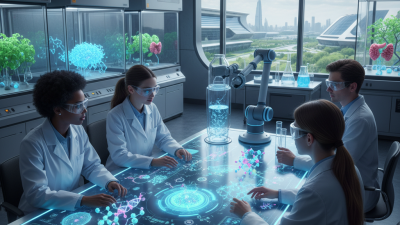
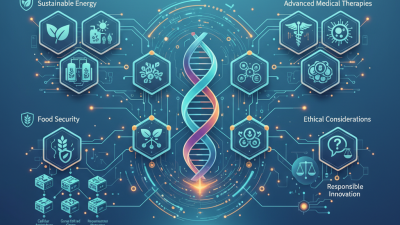
Biotech Solutions are transforming industries and paving the way for sustainable innovation. A report from the Biotechnology Innovation Organization highlights that the global biotech market is expected to reach $727.1 billion by 2025. This rapid growth signals a shift towards eco-friendly methods in agriculture, healthcare, and environmental management.

The adoption of Biotech Solutions can significantly reduce carbon footprints and resource consumption. For instance, genetically modified crops can yield more with less water and fertilizers. These innovations respond to the urgent need for sustainable food sources amidst climate change and population growth.

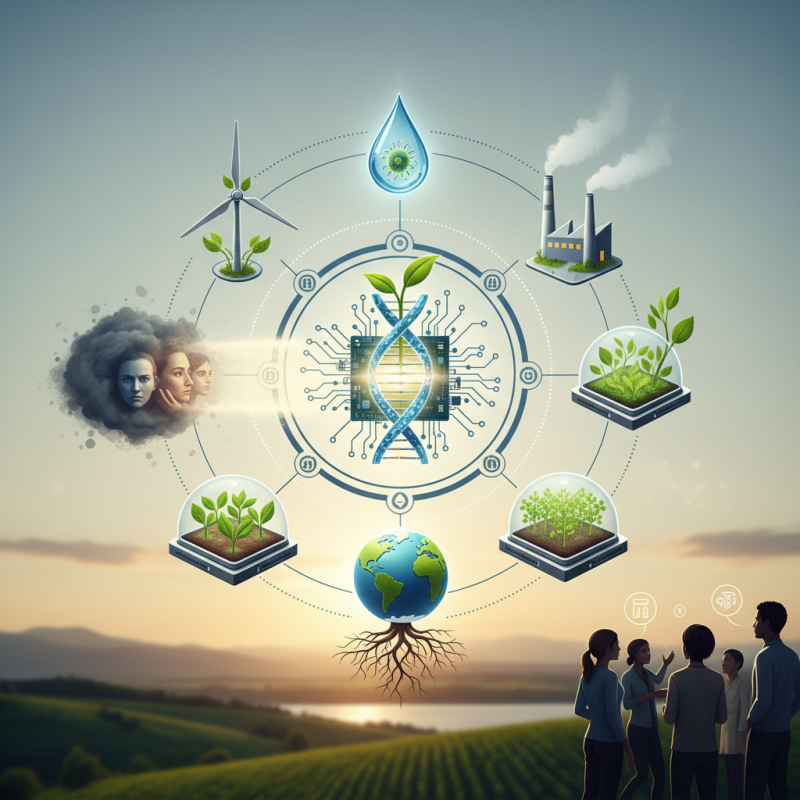
However, there are challenges. Public perception of biotech can be skeptical. Negative experiences from the past linger in people’s minds. Companies must address these concerns to foster trust and acceptance. As the biotech sector evolves, ongoing dialogue and education are crucial for its success.
Why Choose Biotech Solutions for Sustainable Innovation?

The Role of Biotechnology in Sustainable Development
Why Choose Biotech Solutions for Sustainable Innovation?

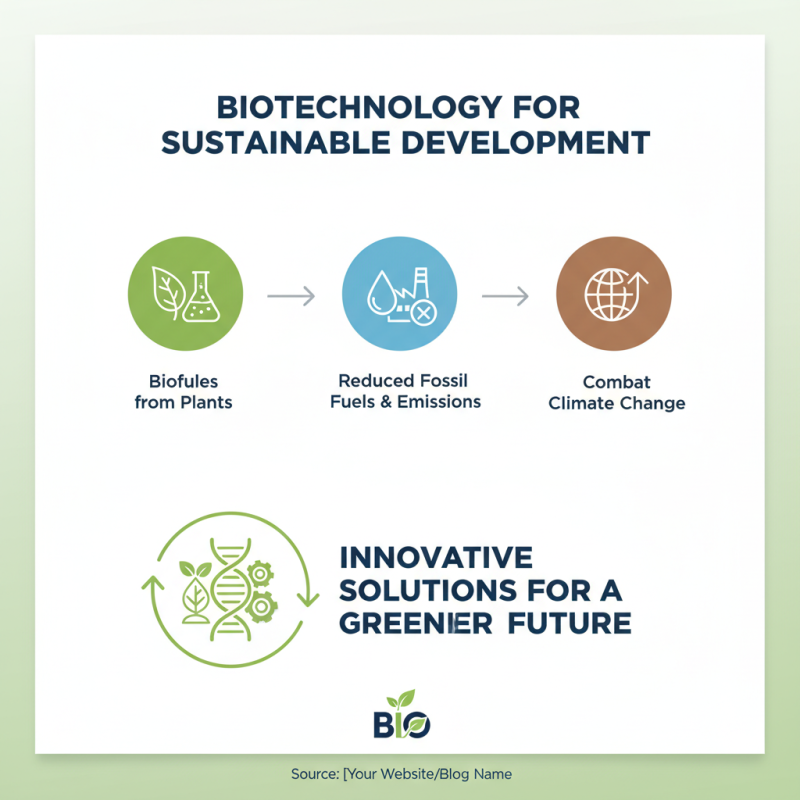
Biotechnology plays a crucial role in sustainable development. It offers innovative solutions to pressing environmental challenges. For instance, biofuels derived from plant materials can reduce reliance on fossil fuels. This transition is essential for lowering greenhouse gas emissions.

In agriculture, biotechnology helps create crops that use less water and resist pests. This means farmers can produce more food with fewer resources. However, the reliance on biotechnological solutions can raise questions about biodiversity. A narrow focus on specific traits might endanger traditional crops.

While biotechnology has potential, it also requires careful consideration. Not all biotechnological solutions are perfect. They must be assessed for long-term impacts on ecosystems. This ongoing reflection will ensure biotechnology remains a sustainable choice for our future.

Benefits of Biotech Solutions for Environmental Sustainability

Biotech solutions play a crucial role in promoting environmental sustainability. They harness biological processes to create eco-friendly products. For instance, bioplastics derived from plant materials can reduce plastic pollution. They are biodegradable and can break down naturally, which is a significant improvement over traditional plastics.

Another aspect to consider is the use of biotechnology in agriculture. Genetically modified crops can withstand pests and harsh environments. This can lead to higher yields with fewer chemicals. However, this innovation also raises concerns about biodiversity and long-term impacts. It’s essential to weigh the benefits against potential risks.

Moreover, biotech solutions offer pathways for renewable energy. Biofuels produced from organic waste can replace fossil fuels. This shift can decrease greenhouse gas emissions and reliance on non-renewable resources. Still, the production processes need careful management to avoid unintended consequences. Balancing innovation and caution is vital for sustainable progress in biotechnologies.

Case Studies: Successful Biotech Innovations in Sustainability

Why Choose Biotech Solutions for Sustainable Innovation?

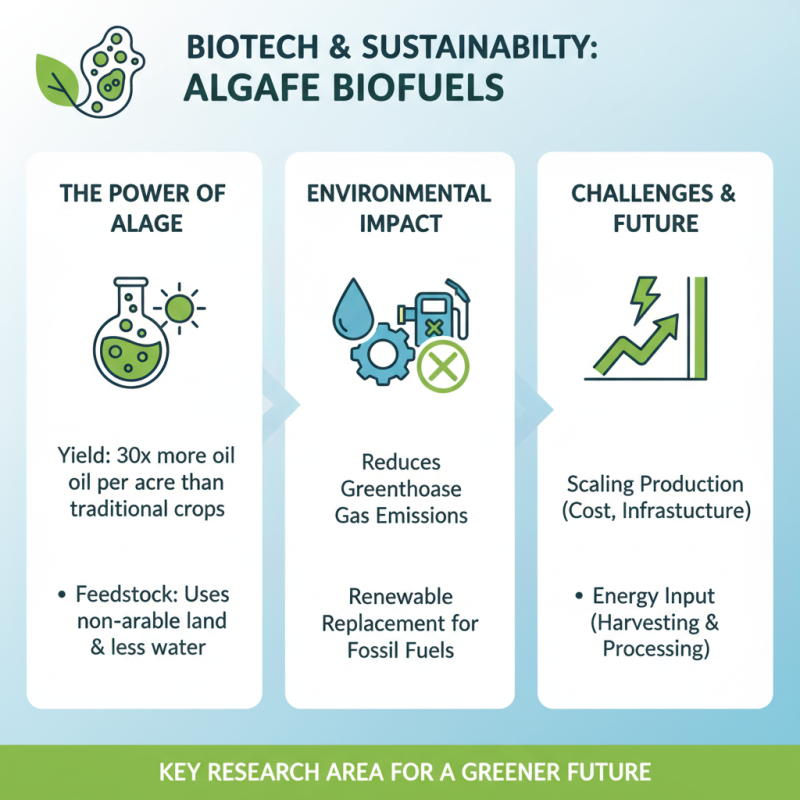
Biotechnology is reshaping sustainability across various industries. One outstanding example is biofuels from algae. In studies, algae can produce up to 30 times more oil per acre than traditional crops. This oil can replace fossil fuels and reduce greenhouse gas emissions significantly. However, scaling production remains a challenge, and energy input is a concern.

Another inspiring case is the use of genetically engineered microbes. These microbes can break down plastic waste into biodegradable products. One report from the World Economic Forum indicates that global plastic production may reach 1.8 billion metric tons by 2030. While biotech offers hope, the efficiency and safety of these engineered organisms require thorough investigation.

In agriculture, biotech innovations help enhance crop resilience. For instance, drought-tolerant varieties may improve food security. Some reports claim that these crops could increase yields by up to 20%. Yet, reliance on such technologies raises ethical questions and ecological risks. Balancing innovation with care is essential.

Challenges and Considerations in Biotech Adoption for Sustainability

Biotech solutions are often hailed for their potential to drive sustainable innovation. However, the adoption of these technologies comes with significant challenges. According to recent reports, only 25% of biotech projects advance from initial research to commercial application. This high failure rate underscores the complexity of integrating biotech into sustainability practices.

One major concern is regulatory hurdles. Biotech often faces strict regulations, which can slow down the development process. Delays in approvals increase costs and can deter investment. Additionally, there is often a gap in public understanding and acceptance. A survey revealed that only 30% of people feel informed about biotechnology. This lack of awareness can lead to resistance, complicating efforts to implement biotech solutions effectively.

Another crucial aspect is the environmental impact. While biotech can reduce waste and pollution, it isn't without drawbacks. Some methods can lead to unintended ecological consequences. Monitoring systems must be robust yet flexible to adapt to new findings. Companies need to balance innovation with ethical considerations. If they ignore potential risks, they may face backlash from both consumers and regulators. In this evolving landscape, continuous reflection on the implications of biotech adoption is essential.

Future Trends in Biotech for Sustainable Innovation and Growth

The biotech industry is evolving rapidly. Companies are focusing on innovative approaches to sustainability. This shift is essential for addressing global challenges like climate change. Advances in biotechnology are creating more sustainable products. These innovations can reduce waste and improve resource efficiency. Biotech solutions often provide alternatives to traditional practices.

Tips for entrepreneurs: Embrace collaboration. Work with scientists and industry experts. This can enhance research and development. Seek funding opportunities that prioritize sustainability. Investors increasingly favor eco-friendly initiatives.

Future trends point towards the use of synthetic biology. This technology can create biodegradable materials and advanced biofuels. Yet, there's a need for ethical considerations. Balancing innovation with environmental impact is crucial. Some biotech methods may raise questions about their long-term effects. Continuous reflection is needed to ensure responsible progress.

Why Choose Biotech Solutions for Sustainable Innovation? - Future Trends in Biotech for Sustainable Innovation and Growth

Dimension Description Trend Impact
Gene Editing Technology that allows precise changes to DNA Increasing use in agriculture and healthcare Enhanced crop resilience and disease resistance
Synthetic Biology Design and construction of new biological parts Growing demand for sustainable production methods Reduction in reliance on fossil fuels
Biomanufacturing Use of biological systems to produce products Shift towards green chemistry and processes Lower environmental footprint
Bioinformatics Application of IT in biological data analysis Rising importance in personalized medicine Improved patient outcomes and efficiency
Microbiome Research Study of microorganisms in various environments Emerging focus area for health and agriculture Innovative solutions for chronic diseases

Request for Quote

Please fill in as much details as possible and we will take care of your request as soon as possible

Skip to content