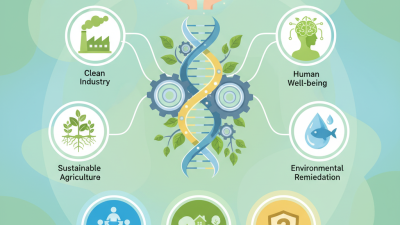
China's advancements in bio technology are having a significant impact globally. As reported by the Chinese National Biotechnology Development Strategy, the bio technology sector is expected to exceed $1 trillion by 2025. This staggering growth illustrates China’s commitment to becoming a leader in this vital field.
Investments in research and development are essential. The country has seen a 20% annual increase in bio technology funding since 2018. However, challenges remain, such as regulatory hurdles and quality assurance. Fostering a robust ecosystem will help address these issues.
Bio technology's influence spans industries, from agriculture to healthcare. For instance, CRISPR technology is revolutionizing gene editing, enhancing crop resilience and treating genetic disorders. Yet, ethical concerns persist around genetic manipulation. As China drives the conversation on bio technology advancements, a balanced approach is crucial for sustainable progress.
China's biotech market has seen a remarkable growth trajectory over recent years. In 2022, the market reached a valuation of approximately USD 145 billion, showcasing a compound annual growth rate (CAGR) of about 18%. This rapid growth indicates a strong investment in research and development within the sector. Reports suggest that by 2028, the market could cross USD 290 billion, reflecting its role as a global leader in biotechnology.
The country has increased its focus on innovative solutions in healthcare and agriculture. For instance, the number of biotechnology patents filed has surged by 25% over the last five years. This rise signals a thriving environment for innovation and collaboration among biotech firms and research institutions. However, challenges remain. Regulatory hurdles and a complex approval process can slow down the introduction of new products to market.
Additionally, while investment is strong, disparities exist between urban and rural biotech capabilities. Some regions lag in technological adoption. As a result, fostering a more equitable growth framework is essential for sustainable advancement. Addressing these imbalances will be critical if China aims to influence global biotechnology significantly.
China's advancements in biotechnology are reshaping the landscape of genomics and gene editing. The nation has made significant strides in developing CRISPR technologies. This revolutionary approach allows scientists to edit DNA with precision. Researchers focus on improving crop resilience and addressing genetic disorders. The impact on agriculture alone is monumental, promising higher yields and better nutrition.
However, the rapid pace raises ethical questions. The potential for unintended consequences in gene editing remains a concern. As innovations emerge, the dialogue surrounding safe applications is crucial. Public trust hinges on transparent practices and regulatory oversight. Some researchers worry about the long-term effects on biodiversity and human health. These reflections highlight the need for a balanced perspective.
Collaboration between institutions can foster responsible research. Engaging diverse stakeholders will enhance understanding and accountability. The global scientific community watches closely. China's commitment to transparency may influence how biotech develops worldwide. Ultimately, the promise of innovation must align with ethical considerations. This delicate balance is essential for sustainable progress in the field.
CRISPR technology has revolutionized agricultural practices worldwide. This powerful gene-editing tool allows scientists to modify crops more precisely and efficiently. It has the potential to enhance crop yield, improve resistance to pests, and ensure food security. Farmers are now able to cultivate hardier plants that can thrive in harsh environments.
However, the application of CRISPR is not without its challenges. Ethical concerns arise regarding biodiversity and the long-term effects of genetic modifications. Some studies suggest that altering genetic material could lead to unintended consequences. The complexity of ecosystems means that changes to one species can affect many others.
Moreover, public perception plays a crucial role in the adoption of CRISPR technology in agriculture. Many consumers are hesitant about genetically modified organisms (GMOs). Education and transparency about the science behind CRISPR are essential. Countries need effective communication strategies to build trust and address concerns. The balance between innovation and safety remains a critical discussion point within the agricultural community.
| Innovation | Description | Impact Area | Global Reach |
|---|---|---|---|
| CRISPR Gene Editing | A revolutionary gene-editing technology that allows for precise modifications to DNA. | Agriculture, Medicine | Global |
| Synthetic Biology | The design and construction of new biological parts, devices, and systems. | Biofuel Production, Crop Improvement | Global |
| Biopharmaceuticals | Medicines produced through biological processes, including monoclonal antibodies. | Healthcare | Global |
| Precision Agriculture | Using technology to ensure crops receive exactly what they need for optimal health. | Agriculture | Global |
| Bioinformatics | Use of computational tools to manage and analyze biological data. | Research, Healthcare | Global |
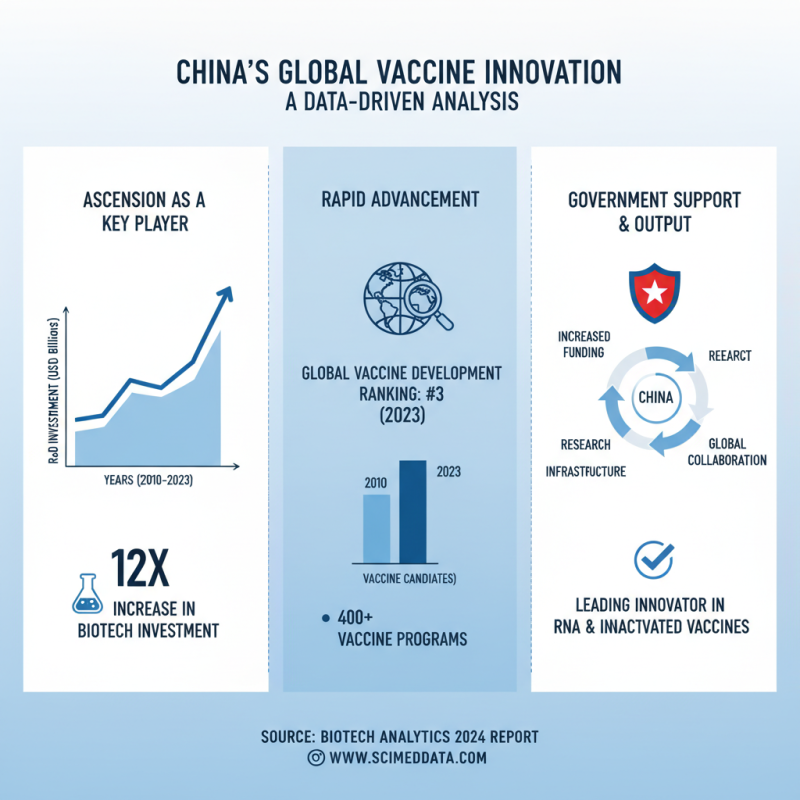
China has emerged as a key player in global vaccine development. Recent years have seen unprecedented advances. Leveraging strong government support and increasing investment in biotechnology, China's contributions are significant. Data shows that vaccine research and development have escalated rapidly. This acceleration has positioned China as a leading innovator.
Nonetheless, challenges remain. The transparency in data reporting is often questioned. Collaboration with international bodies can sometimes falter. While Chinese researchers excel in scientific capabilities, global trust in their findings isn't universal. The impact of geopolitical tensions can hinder cross-border cooperation. Addressing these issues is crucial for sustained progress.
The pandemic highlighted China's ability to mobilize resources swiftly. Vaccine rollout was impressive, yet disparities in access remained a concern. This dynamic reveals a complex picture. Striving for equity in distribution and improving global partnerships will enhance China's standing in biotechnology. Continuous evaluation of ethical practices and data integrity will further bolster credibility as China shapes the future of global health.
China's biotechnology landscape is rapidly evolving, driven by a robust regulatory framework that supports innovation. The National Medical Products Administration (NMPA) has streamlined approval processes for new drugs and therapies, reducing time to market significantly. According to a 2021 report from Deloitte, the average approval time for new biotech products in China has decreased by over 50%, fostering a competitive environment for biopharmaceutical development.
The recent establishment of the China National Center for Biotech Development aims to further enhance research and collaboration among institutions. With investment in biotech reaching approximately $8.5 billion in 2022, according to a report by McKinsey, the ecosystem is thriving. Chinese biotechs are now leaders in areas like gene editing and personalized medicine, showcasing the nation's commitment to becoming a global biotech powerhouse.
However, challenges remain. Regulatory transparency and inconsistent implementation can hinder growth. Many startups grapple with navigating the complex guidelines. Quality control is another pressing issue; ensuring consistent product efficacy is crucial as the market expands. Continued dialogue between regulators and industry stakeholders is essential for addressing these concerns and advancing China's biotech ambitions.
Please fill in as much details as possible and we will take care of your request as soon as possible