How to Buy Testsealabs Antigen Tests in 2026?
Buying Testsealabs Antigen tests in 2026 requires more than finding the lowest online price. Buyers should verify the product’s intended use, local authorization, seller credentials, and storage conditions before placing an order. Availability may differ by country, and regulatory status can change. Always check current guidance from the relevant health authority.
A reliable purchase begins with an authorized distributor, pharmacy, clinic supplier, or established medical retailer. Look for sealed packaging, a clear lot number, readable instructions, and an expiration date with reasonable remaining shelf life. A damaged carton or unclear label deserves caution. So does an unusually cheap listing.
Check whether the test is designed for professional or home use. These categories may have different instructions, training expectations, and reporting requirements. Compare the package contents with the manufacturer’s published information. If the seller cannot provide basic documentation, choose another source.
Read the instructions before testing. Timing matters. Sample collection matters more than many buyers expect. Follow the stated procedure, use the correct swab, and interpret results only within the specified reading window. A negative result may not rule out infection, especially when symptoms are present or exposure was recent. Seek qualified medical advice when results conflict with symptoms or local guidance.
This guide explains practical ways to evaluate sellers, compare total costs, confirm authenticity, and avoid common purchasing mistakes. It cannot replace professional care. Some details remain easy to overlook. That is worth admitting. Product listings change, and assumptions can age quickly. A careful buyer confirms every critical detail before checkout.
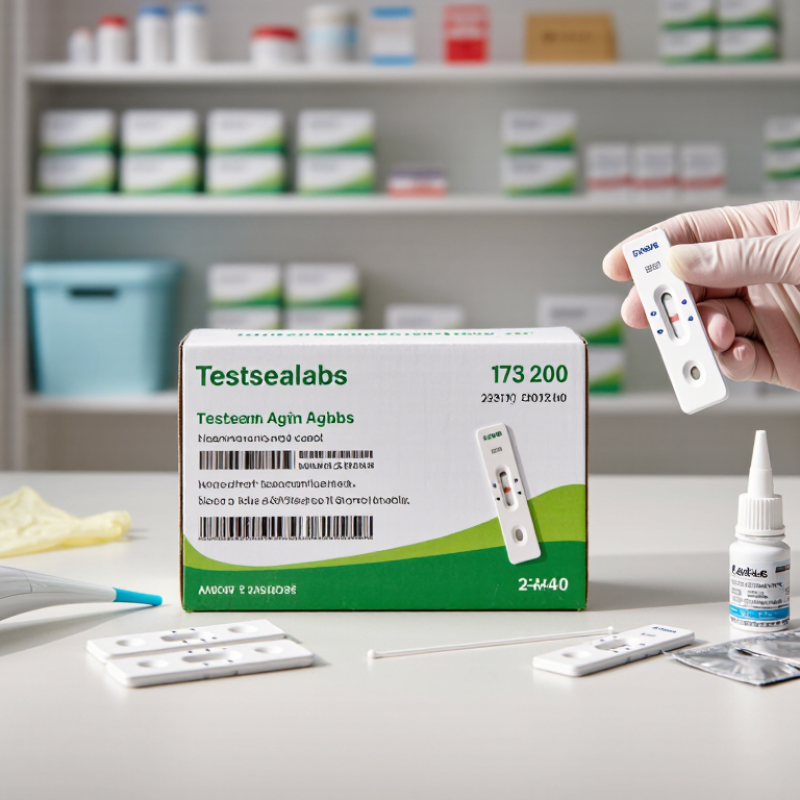
What Are Testsealabs Antigen Tests and How Do They Work?
Antigen tests are rapid tools for detecting proteins from certain respiratory viruses. They usually use a nasal sample collected with a small swab. The swab goes into a liquid tube, and several drops reach a test strip. Results often appear within 15 to 30 minutes.
The strip works through lateral flow technology. If viral proteins are present, labeled particles move across the strip and create a visible test line. A separate control line shows that the liquid traveled correctly.
No control line means the test is invalid. It is not a positive result.
Accuracy depends on timing, sample quality, and storage conditions. Testing during early symptoms may improve detection, while testing too soon can miss an infection. Read the instructions carefully, including the correct swabbing depth and waiting time. Small details matter. I have found that rushed sampling creates avoidable uncertainty.
When buying in 2026, check the expiration date, sealed packaging, storage temperature, and regulatory information for your region.
Choose a reputable pharmacy or authorized medical supplier. Avoid damaged boxes or unclear instructions.
A negative result does not always rule out infection, especially after recent exposure or with persistent symptoms. Repeating the test later may provide more useful evidence.
When results conflict with symptoms, contact a qualified healthcare professional about confirmatory testing.
Where to Buy Testsealabs Antigen Tests in 2026
In 2026, buy these antigen tests through licensed pharmacies, established medical suppliers, or the manufacturer’s verified sales channel. Local clinics may also provide approved retail options. Availability differs by country, so check your national health regulator before ordering. That small step prevents many avoidable problems.
Online marketplaces can be convenient, but seller verification matters. Choose listings with a complete product description, clear storage instructions, and a traceable business address. Check the expiry date, lot number, intact packaging, and local approval status. Ask for an itemized receipt. Avoid unusually cheap offers or sellers who refuse basic questions. They may be genuine, but the risk is harder to assess. Delivery heat can also affect some tests.
A useful buying habit is to compare two or three regulated sellers before paying. Confirm that the instructions match your language and intended use. Read the return policy carefully. A damaged box should not become a guessing game. These tests can support screening, but they do not replace professional diagnosis. Follow the instructions exactly, including sample timing and result reading. A negative result may not rule out infection, especially soon after exposure or when symptoms continue. In that situation, contact a qualified healthcare professional and consider repeat testing if local guidance recommends it. Availability changes quickly, and I would not rely on an old shopping link without checking it again.
How to Buy Antigen Tests in 2026? Typical Time to Results by Test Type
Compare the typical time required to receive results before choosing where to purchase a test.
Home antigen tests generally provide results in about 15–30 minutes, while molecular tests may take from approximately 15 minutes to several hours. Laboratory PCR testing commonly takes one to three days, depending on the provider. When buying in 2026, check the product’s authorization status, expiration date, storage requirements, instructions, and whether the seller is an authorized pharmacy or healthcare provider.
How to Compare Prices, Pack Sizes, and Shipping Options
How to Compare Prices, Pack Sizes, and Shipping Options in 2026
A low sticker price can hide a costly purchase. Compare the landed cost, not just the advertised amount. Divide the product price, delivery fee, and tax by the number of usable tests. A 25-test pack may beat a 5-test pack, but only if expiry dates suit your needs. Grand View Research valued the global in-vitro diagnostics market at about USD 95.6 billion in 2023, showing how quickly this sector is expanding. More choices do not always mean clearer choices.
Check the manufacturing date, expiry date, lot number, storage instructions, and authorization status. WHO guidance stresses quality-assured testing and careful interpretation of rapid-test results. Ask whether the seller provides a traceable invoice and customer support. I once selected the cheapest listing and ignored delivery timing. That was a mistake. The tests arrived later than expected, with less remaining shelf life.
Shipping needs its own comparison. Record the promised dispatch time, estimated arrival date, tracking availability, and refund terms. Standard delivery may cost less, while express service may protect a time-sensitive purchase. Avoid paying for unnecessary oversized packs. The FDA has repeatedly advised consumers to verify expiration information because some dates can change after formal review. Prices also fluctuate during seasonal demand. Capture screenshots before checkout. A spreadsheet helps, although mine still missed one small handling fee.
