What Are the Benefits of Multi-Source Biostimulants?

The MULTI-SOURCE BIOSTIMULANTS SERIES highlights the growing significance of biostimulants in modern agriculture. These products, derived from multiple natural sources, enhance plant growth and resilience. They improve soil health and nutrient availability, making them invaluable for sustainable farming.

One key benefit of multi-source biostimulants is their ability to promote efficient nutrient uptake. This not only leads to healthier plants but also supports higher yields. Farmers who use these products often notice quicker plant responses. Observations have shown that crops treated with multi-source biostimulants exhibit improved growth patterns and stress tolerance.

However, not all biostimulants are created equal. The effectiveness can vary based on formulation and application methods. Some farmers report inconsistent results, leading to questions about best practices. It is pivotal to assess individual needs and experiment with different combinations, making the journey toward optimal crop performance a continuous learning process.
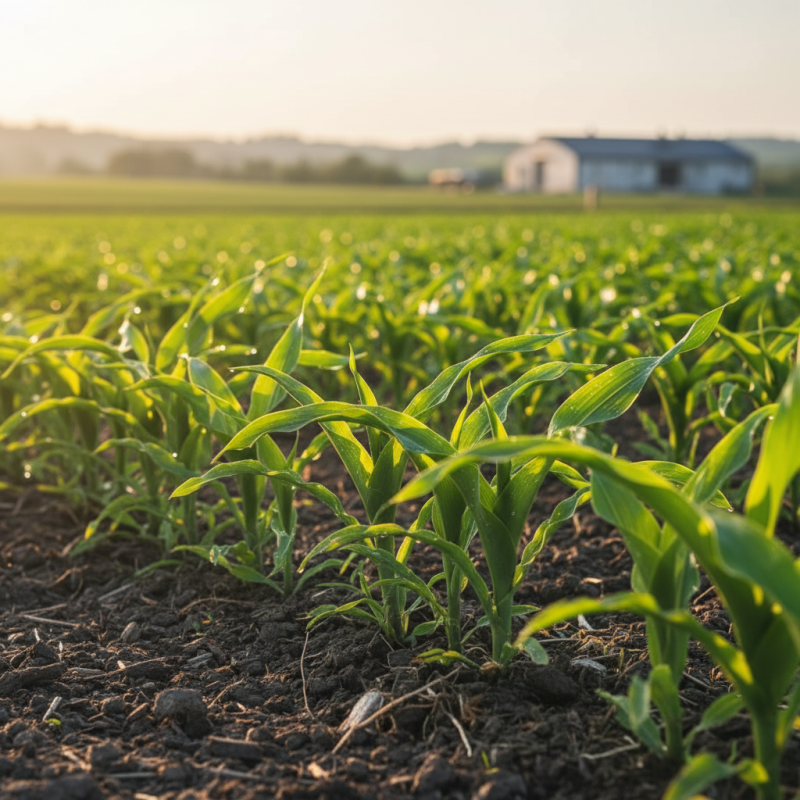
What Are the Benefits of Multi-Source Biostimulants?

What Are Multi-Source Biostimulants?

Multi-source biostimulants are becoming increasingly significant in agriculture. These products combine various natural substances that enhance plant growth and resilience. They are derived from diverse sources, including plant extracts, microorganisms, and organic waste. Research indicates that they can improve soil health, nutrient uptake, and crop yield. A 2021 report from the International Biostimulant Industry confirms that the global market for biostimulants is expected to reach $4.5 billion by 2027, driven by growing need for sustainable agriculture.

The effectiveness of multi-source biostimulants lies in their diverse composition. Each component contributes uniquely to plant development. For example, certain plant extracts can enhance nutrient absorption, while beneficial microbes may boost root growth and disease resistance. However, the variability in their formulations can lead to unpredictable outcomes in different soils and crops. Studies show that 30% of farmers experience inconsistent results with biostimulants, indicating the need for careful selection and application.

Environmental factors also play a crucial role. Weather conditions and soil type can alter the efficacy of these products. Farmers must consider local conditions before application. The complexity of these interactions presents both challenges and opportunities. As research evolves, clearer guidelines can help optimize the use of multi-source biostimulants. Understanding these nuances is essential for maximizing their potential in sustainable farming practices.

Key Components of Multi-Source Biostimulants

Multi-source biostimulants are gaining attention for their ability to enhance plant growth and increase agricultural productivity. These products combine various organic and inorganic components, offering a synergistic effect that can lead to improved nutrient uptake and stress resistance. According to a report by ResearchAndMarkets, the global biostimulants market is expected to grow at a CAGR of 12.5% between 2021 and 2026. This growth is driven by the increasing demand for sustainable agricultural practices.

Key components of multi-source biostimulants often include humic substances, seaweed extracts, and beneficial microorganisms. Humic substances, derived from decomposed organic matter, can improve soil health and increase water retention. Seaweed extracts provide essential micronutrients and can stimulate plant hormonal responses. Meanwhile, beneficial microorganisms enhance root development and nutrient availability. Integrating these components allows for a more comprehensive approach to crop management.

Tips: Choose biostimulants based on soil type and specific crop needs. Understanding the soil's nutritional profile can enhance the effectiveness of these products. Always conduct small-scale tests before full application to gauge effectiveness and potential issues. Regular monitoring is essential to adapt your application methods over time.

Benefits of Multi-Source Biostimulants for Soil Health

Multi-source biostimulants are becoming crucial for enhancing soil health. They contain diverse components that enrich soil biology. By improving microbial activity, these biostimulants promote nutrient uptake. Healthy microbes break down organic matter effectively, contributing to improved soil structure.

The combination of various sources allows for a broader spectrum of benefits. Diverse microbial communities can address specific soil challenges. They foster resilience against diseases, supporting overall crop vitality. However, the effectiveness can vary based on soil type and environmental conditions. Continuous research is required to tailor applications effectively.

Soil health relies heavily on the interactions among living organisms. Multi-source biostimulants can stimulate this dynamic. Yet, the response is not always predictable. It’s important to monitor soil conditions regularly. This helps in understanding the real impact of biostimulants on soil health over time.

Benefits of Multi-Source Biostimulants for Soil Health

Enhancing Plant Growth with Multi-Source Biostimulants

Multi-source biostimulants offer a novel way to enhance plant growth. These products combine various natural ingredients, promoting beneficial microbial activity. They can lead to increased nutrient uptake and improved resilience against stress. By utilizing diverse sources, plants can access a broader range of nutrients. This diversity ensures a more balanced growth environment.

One tip for using multi-source biostimulants is to test your soil. Knowing the nutrient levels can help you select the right blend. Pay attention to your plants' responses. Do some show faster growth? Others may suffer. This feedback is crucial for optimizing your approach.

Another important consideration is timing. Application during key growth stages can maximize benefits. Always follow the recommended guidelines for use. Over-application can lead to negative effects. Monitor your plants closely to identify any signs of distress or deficiencies. Balancing application and observing changes are vital steps.

What Are the Benefits of Multi-Source Biostimulants? - Enhancing Plant Growth with Multi-Source Biostimulants

Benefit Description Research Findings
Enhanced Nutrient Uptake Multi-source biostimulants improve root development and nutrient absorption in plants, leading to healthier growth. Studies show a 25% increase in nutrient uptake in treated crops compared to untreated ones.
Stress Resistance These biostimulants help plants cope with environmental stresses such as drought, salinity, and pests. Plants treated with biostimulants exhibited a 30% increase in resilience during drought conditions.
Improved Soil Health Biostimulants enhance microbial activity in the soil, leading to healthier soil ecosystems. Research indicated a 40% increase in beneficial microbial populations in soils treated with multi-source biostimulants.
Increased Crop Yields The use of biostimulants has been linked to higher yields in various crops due to better health and growth. Field trials reported an average yield increase of 15% in crops treated with multi-source biostimulants.
Sustainable Agriculture They contribute to sustainable farming by reducing the need for chemical fertilizers and pesticides. Farmers using biostimulants noticed a 20% reduction in chemical inputs over a growing season.

Potential Environmental Impact of Multi-Source Biostimulants

Multi-source biostimulants offer various environmental benefits through their innovative composition. These products can enhance soil health, promote plant growth, and increase crop yields without relying heavily on chemical fertilizers. A report by the International Fertilizer Association highlights that biostimulants can decrease the need for synthetic inputs by up to 30%. This shift not only reduces chemical runoff but also minimizes soil degradation.

Their use can also lead to improved biodiversity in agricultural ecosystems. A study published in the journal "Agricultural Systems" shows that diverse microbial communities fostered by biostimulants can enhance nutrient availability. Moreover, healthier soils can better retain water, which is crucial in drought-prone regions. However, the exact impact on local ecosystems requires further investigation.

Potential downsides must also be addressed. Not all biostimulant products are created equal, and some may interact negatively with existing soil microorganisms. This calls for comprehensive field trials to assess long-term effects on both soil and plant health. Continued research ensures that multi-source biostimulants contribute positively to sustainable agriculture while minimizing unintended consequences.

Request for Quote

Please fill in as much details as possible and we will take care of your request as soon as possible

Skip to content